Darne Model 1933: An Economic & Modular Interwar MG

Published on February 15, 2023
Duration: 16:25

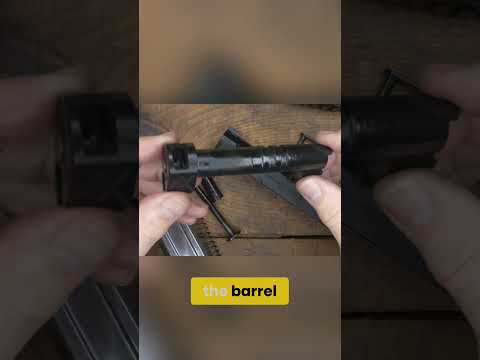
This guide details the field stripping process for the Darne Model 1933 infantry machine gun, as demonstrated by Ian McCollum. It covers the removal of major components like the bipod, receiver, and bolt carrier group, highlighting the firearm's modularity and economic design. Proper safety precautions are emphasized throughout.


Quick Summary

The Darne Model 1933 is an economic and modular interwar machine gun, chambered in 7.5x54mm French. Its design emphasizes cost-effectiveness with features like wire pin assembly. While successful as an aircraft gun, its exposed mechanism made it less ideal for infantry use due to susceptibility to dirt and mud.

Chapters

  1. 00:00Introduction and History
  2. 01:16Development and Modularity
  3. 03:54Markings and Caliber
  4. 06:46Infantry Configuration Features
  5. 08:49Disassembly and Internal Mechanics
  6. 13:42Economic Context and Conclusion

Frequently Asked Questions

What makes the Darne Model 1933 an economic firearm?

The Darne Model 1933 was designed with cost-effectiveness in mind, utilizing simple construction methods like wire pins for assembly and a relatively straightforward mechanical system, contributing to its low production cost of around 700 francs in 1931.

What are the key features of the Darne Model 1933 infantry configuration?

The infantry version of the Darne Model 1933 features a heavier barrel for improved heat management, sights adapted from the Berthier M16 rifle, and a Chatellerault 24/29 type bipod. Its pistol grip and trigger guard are oversized for use with gloves.

How does the Darne Model 1933's gas-operated system work?

The Darne Model 1933 employs a long-stroke gas piston system. During the recoil stroke, gas pressure is utilized to pull cartridges from the belt and assist in cycling the action, which features a tilting bolt mechanism.

Why was the Darne Model 1933 considered modular?

The Darne Model 1933's receiver was designed to be standard across different variants, including aircraft and infantry models. This modularity allowed for various feed mechanisms and trigger configurations to be implemented, adapting the weapon for different roles.

More Gunsmithing & DIY Videos You Might Like

More from Forgotten Weapons

View all →