DIY Scope Mounting

Published on March 26, 2012
Duration: 3:49

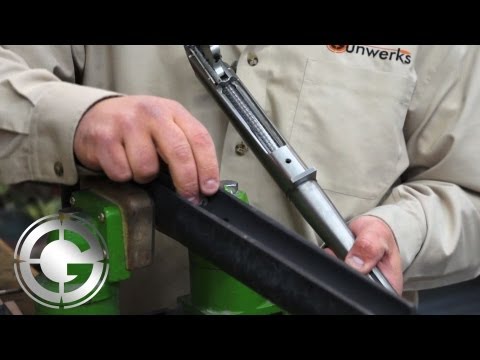
This guide details the process of mounting a rifle scope, emphasizing the critical steps for ensuring accuracy and preventing damage. It covers ring lapping for optimal surface contact, reticle leveling, and proper torque application using specialized tools like the Wheeler FAT Wrench. The instruction comes from an expert in long-range ballistics and rifle construction, highlighting techniques for systems like the Gunwerks LR1000 action.


Quick Summary

Proper scope mounting is critical for long-range accuracy. Key steps include lapping rings for 75%+ surface contact to prevent scope damage, leveling the reticle precisely with the bore's centerline, and using a torque wrench (like the Wheeler FAT Wrench) to apply manufacturer-specified torque to all screws.

Chapters

  1. 00:00Introduction to Scope Mounting
  2. 00:49Lapping the Scope Rings
  3. 01:16Leveling the Reticle
  4. 02:00Installing Rings on Gunwerks LR1000
  5. 02:48Final Assembly and Torquing

Frequently Asked Questions

What is the most critical step in scope mounting for accuracy?

The most critical steps involve ensuring proper surface contact between the scope and rings through lapping (aiming for 75%+) and accurately leveling the reticle to the bore's centerline. Proper torque application is also vital to prevent damage and ensure consistency.

Why is lapping scope rings important?

Lapping scope rings is crucial because standard rings often provide minimal contact (5-10%). Lapping ensures at least 75% contact, preventing the scope tube from being pinched or torqued, which can damage the scope and affect optical performance.

What tools are essential for proper scope mounting?

Essential tools include a high-quality torque wrench (like the Wheeler FAT Wrench), a lapping bar, lapping compound (e.g., 220 grit), and leveling tools. Thread locker is also recommended for the ring screws.

How do you level a rifle scope's reticle?

You can level the reticle by ensuring the action's mounting surfaces (raceways) are level, or by using a vertical reference like a plumb bob or a vertical tape measure on a wall to align the reticle parallel to the bore's centerline.

More Gunsmithing & DIY Videos You Might Like

More from Gunwerks

View all →