Gunsmithing - How to Repair Slow Timing on a S&W Revolver

Published on May 21, 2008
Duration: 1:34

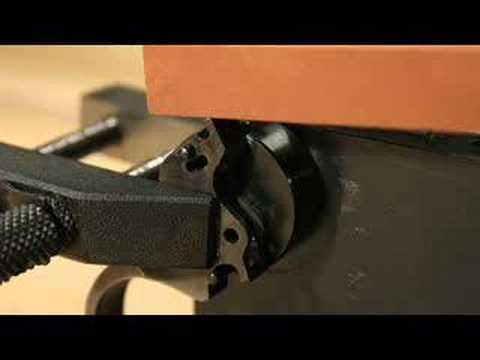
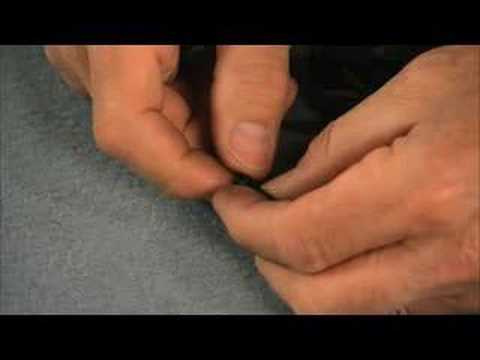
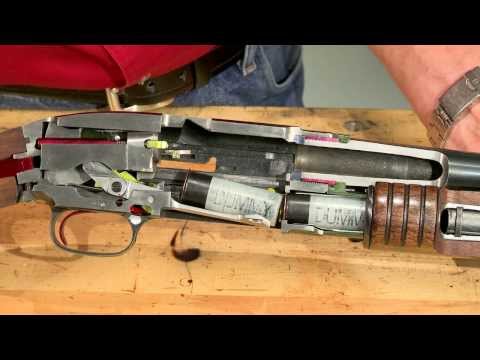
This guide details how to fix slow timing on a Smith & Wesson revolver, a common issue affecting accuracy and safety. Expert Larry Potterfield demonstrates the process, emphasizing the use of an oversized hand and precise honing with an India stone. Proper timing ensures the cylinder locks correctly for safe and accurate operation.

Quick Summary

Repairing slow timing on a Smith & Wesson revolver involves replacing a worn hand with an oversized part. Expert Larry Potterfield demonstrates using an India stone to hone the new hand's engagement surface for proper cylinder lock-up, ensuring accuracy and safety.

Chapters

  1. 00:00Introduction to Revolver Timing
  2. 00:23Identifying Slow Timing Issues
  3. 00:38The Repair Solution: Oversized Hand
  4. 00:46Installation and Fitting Process
  5. 00:58Fine-Tuning with an India Stone
  6. 01:12Final Testing and Conclusion

Frequently Asked Questions

What causes slow timing in a Smith & Wesson revolver?

Slow timing is typically caused by a worn or damaged 'hand' that fails to fully engage the cylinder's ratchet. This wear prevents the cylinder from locking into place correctly when the hammer is cocked, affecting accuracy and safety.

How can slow timing on an S&W revolver be fixed?

The common fix involves replacing the worn hand with a factory oversized revolver hand, which is slightly wider to compensate for wear. This part often requires careful fitting and honing with a fine stone like an India stone.

What tools are needed to repair slow timing on a revolver?

Essential tools for this gunsmithing task include an India stone for precise honing of the hand's engagement surface and digital calipers for measuring parts. Basic gunsmithing tools for disassembly and reassembly are also required.

Why is proper revolver timing important?

Proper timing ensures the cylinder locks securely into position before the hammer falls. This is critical for accurate shot placement and safe operation, preventing cylinder rotation during firing or failure to lock.

Related News

All News →

More Gunsmithing & DIY Videos You Might Like

More from MidwayUSA

View all →