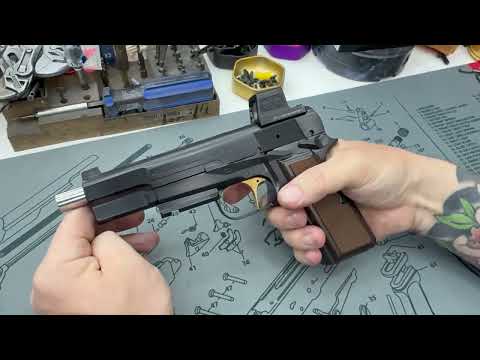
Here's Why You Never Do This With Your Carry Gun #shorts #youtubeshorts

Published on October 10, 2023
Duration: 1:00

This guide details how to diagnose and address a critical trigger reset malfunction where a firearm fires upon trigger release. It emphasizes careful inspection of internal components, particularly aftermarket parts like the Ghost Inc. Angel 3.0 connector, and stresses the importance of function checks and safe live-fire verification. The information is presented with a cautionary tone, reflecting the expertise of the instructor in identifying potential safety hazards with modified firearms.


Quick Summary

A firearm firing upon trigger reset is a dangerous malfunction where the sear fails to catch the striker/hammer, causing discharge as the trigger is released. This often stems from issues with aftermarket trigger components like the Ghost Inc. Angel 3.0 connector. Such malfunctions render a carry gun unsafe and require immediate diagnosis and correction through inspection and testing.

Chapters

  1. 00:00Warning: Modifying Carry Guns
  2. 00:09Glock 23 w/ Aftermarket Trigger
  3. 00:21Malfunction: Fires on Reset
  4. 00:42Live Fire Verification

Frequently Asked Questions

What causes a firearm to fire upon trigger reset?

This dangerous malfunction, often seen with aftermarket trigger components, occurs when the sear fails to properly catch the striker or hammer after firing. The trigger mechanism doesn't reset correctly, leading the firearm to discharge as the trigger is released.

Is it safe to use a carry gun with a trigger reset malfunction?

No, it is extremely unsafe. A firearm firing upon trigger reset is a critical mechanical failure that significantly increases the risk of accidental discharge, injury, and loss of control. Such a firearm should not be carried or used until the issue is fully diagnosed and corrected.

What should I do if my Glock 23 fires on trigger reset after installing new parts?

Immediately cease live fire. Ensure the firearm is unloaded and perform a function check. Inspect the trigger group, sear, and any aftermarket components (like a Ghost Inc. Angel 3.0 connector) for damage, debris, or improper installation. Professional gunsmithing may be required.

Why is testing crucial after modifying a carry gun's trigger?

Carry guns are relied upon for self-defense, demanding utmost reliability. Modifying internal components like triggers can alter function unpredictably. Rigorous testing after modifications is essential to ensure the firearm operates safely and reliably under all conditions, preventing dangerous malfunctions.

Related News

All News →

More Gunsmithing & DIY Videos You Might Like

More from Hegshot87

View all →