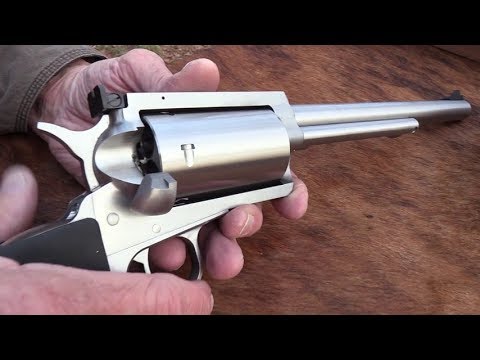
Hidden Revolver Safety

Published on February 13, 2020
Duration: 4:35

This guide details the internal safety mechanisms of Smith & Wesson revolvers, specifically the transfer bar and trigger rebound slide. It demonstrates how these safeties prevent accidental discharge, even when the hammer is dropped, unless the trigger is fully pulled. The video also provides a basic overview of how to access these components through side plate removal.


Quick Summary

Smith & Wesson revolvers incorporate two key internal safeties: the transfer bar and the trigger rebound slide. These mechanisms prevent accidental discharge by ensuring the hammer only strikes the firing pin when the trigger is fully pulled to the rear, making them safe to carry loaded.

Chapters

  1. 00:00Introduction to Gun Gab Series
  2. 00:12Smith & Wesson Model 66 Overview
  3. 00:47Basic Safety Rule: No Ammunition
  4. 00:50Demonstrating Hammer Strike (No Safety)
  5. 01:05Demonstrating Safety Engaged
  6. 01:25Explanation of Two Mechanical Safeties
  7. 02:08Disassembling the Side Plate
  8. 02:43Internal View: Transfer Bar
  9. 03:05Internal View: Trigger Rebound Slide
  10. 03:53How Safeties Prevent Discharge
  11. 04:14Safety for Carrying Loaded Revolvers
  12. 04:24Reassembly and Maintenance Tips

Frequently Asked Questions

What are the primary internal safety mechanisms in Smith & Wesson revolvers?

Smith & Wesson revolvers feature two main internal safeties: the transfer bar and the trigger rebound slide. The transfer bar prevents the hammer from striking the firing pin unless the trigger is fully depressed, while the trigger rebound slide acts as a block when the hammer is at rest.

How does the transfer bar safety work in a Smith & Wesson revolver?

The transfer bar is a pivoting component located between the hammer and the firing pin. It only moves into position to allow the hammer to strike the firing pin when the trigger is pulled all the way to the rear, ensuring intentional firing.

Can a Smith & Wesson revolver fire if the hammer is dropped without the trigger being pulled?

No, a Smith & Wesson revolver is designed not to fire if the hammer is dropped without the trigger being pulled. The trigger rebound slide and the transfer bar work together to prevent the hammer from contacting the firing pin in such a scenario.

What is the correct way to remove the side plate from a Smith & Wesson revolver?

To remove the side plate from a Smith & Wesson revolver, avoid prying it off. Instead, use a soft-faced hammer to gently tap the back of the frame. This method allows the side plate to be removed without causing damage to the firearm.

More Gunsmithing & DIY Videos You Might Like

More from Lena Miculek - Trigger Tribe

View all →