How Does It Work: Roller Locking

Published on November 7, 2024
Duration: 0:59

This video explains the roller locking mechanism, differentiating it from roller delay systems. It details how symmetrical rollers are forced outward into the slide by a central block, locking the barrel and slide together. The explanation covers how angled surfaces during recoil cause the rollers to retract, unlocking the barrel for cycling.

Quick Summary

Roller locking is a fully locked firearm action where symmetrical rollers are forced outward into the slide by a central block, locking the barrel and slide to recoil together. Upon firing, angled surfaces cause the rollers to retract, unlocking the barrel for cycling.

Chapters

  1. 00:00Introduction to Roller Locking
  2. 00:09Flapper Locking Subtype Explained
  3. 00:18Locking Mechanism in Detail
  4. 00:35Unlocking and Cycling Process

Frequently Asked Questions

What is roller locking in firearms?

Roller locking is a type of fully locked firearm action where rollers are used to secure the barrel to the slide. This system ensures the barrel and slide recoil together as a single unit, providing a robust lockup.

How does the roller locking mechanism unlock?

As the slide recoils, the rollers encounter angled surfaces. These angles force the rollers inward, unlocking the barrel and allowing the slide to continue its rearward travel to cycle the action.

Is roller locking the same as roller delay?

No, roller locking is a fully locked action, distinct from roller delay systems. While both use rollers, roller locking provides a more positive lockup, whereas roller delay uses rollers to retard bolt carrier speed.

What firearm is shown using roller locking?

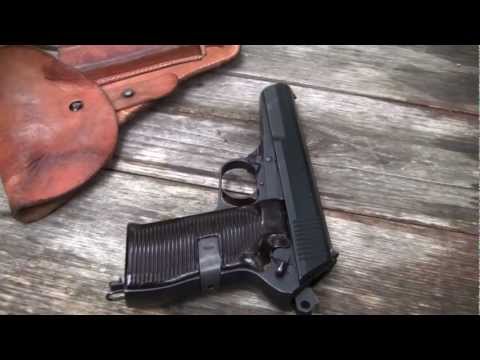
The video primarily uses the CZ 52 pistol as an example to demonstrate the roller locking mechanism. It highlights the symmetrical rollers and their interaction with the slide and barrel.

More Gunsmithing & DIY Videos You Might Like

More from Forgotten Weapons

View all →