How to Break In a Rifle Barrel Presented by Larry Potterfield of MidwayUSA

Published on March 20, 2009
Duration: 1:31

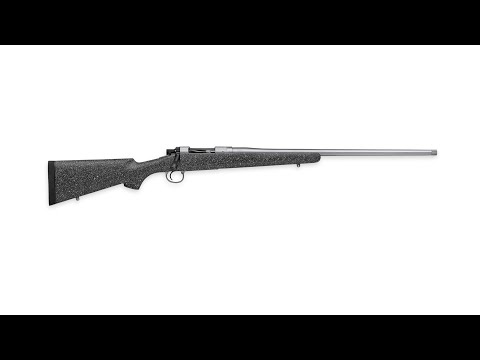
This guide details the essential steps for breaking in a new rifle barrel, as demonstrated by Larry Potterfield of MidwayUSA. Proper break-in improves long-term accuracy and ease of cleaning. The process involves firing single shots followed by thorough cleaning for the first five rounds, then progressing to five-shot groups with cleaning after each group, totaling 50 rounds. Essential tools and techniques are covered to ensure optimal barrel performance.

Quick Summary

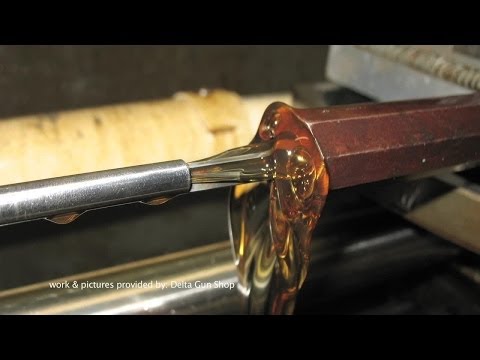
Breaking in a new rifle barrel involves firing and cleaning to improve accuracy and ease of maintenance. Use a bore guide, cleaning rod, solvent, and patches. Fire single shots for the first five rounds, cleaning after each. Then, fire five-shot groups, cleaning after each group, until 50 rounds are expended.

Chapters

  1. 00:00Introduction to Barrel Break-In
  2. 00:19Required Cleaning Supplies
  3. 00:35Cleaning Procedure
  4. 00:53The First Five Shots
  5. 01:12Completing the Break-In Process

Frequently Asked Questions

What is the purpose of breaking in a new rifle barrel?

Breaking in a new rifle barrel is essential for improving its long-term accuracy and making it significantly easier to clean. This process conditions the rifling, removing microscopic imperfections that can affect bullet flight and lead to fouling.

What tools are needed for a rifle barrel break-in?

Key tools include a cleaning rod, brass bore brush, jag, cleaning solvent, tight-fitting cotton patches, and a bore guide to protect the barrel. A shooting rest like the Caldwell Lead Sled is also recommended for stability.

How many rounds are typically fired during a barrel break-in?

The recommended procedure involves firing a total of 50 rounds. The first five shots are fired individually, with cleaning after each, followed by five-shot groups with cleaning after each group.

Why is cleaning after each shot important during break-in?

Cleaning after each shot during the initial phase removes metal shavings and fouling. This process smooths the bore, enhances accuracy, and prevents residue buildup that could negatively impact performance and cleaning ease later on.

Related News

All News →

More Gunsmithing & DIY Videos You Might Like

More from MidwayUSA

View all →