How to Drill and Tap a Mauser Rifle Receiver for Scope Base Installation | MidwayUSA Gunsmithing

Published on October 9, 2017
Duration: 1:29

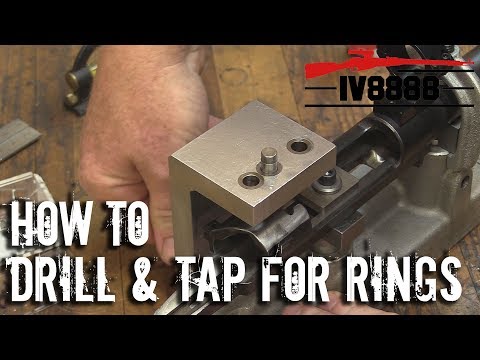
This guide details the precise process of drilling and tapping a Mauser rifle receiver for scope base installation. It highlights the critical use of specialized fixtures like the Wheeler Engineering Drill and Tap Fixture for accurate alignment. The video emphasizes proper techniques for drilling, including using drill bushings and cutting oil, and for tapping, stressing the importance of slow, controlled movements and backing off the tap to prevent breakage. Finishing with a light chamfer ensures a clean, ready surface for scope mounting.

Quick Summary

To prevent breaking a tap when threading a rifle receiver, use a tap bushing and apply slow, steady pressure. Back the tap off approximately a quarter turn after every slight advance to clear chips and prevent binding.

Chapters

  1. 00:00Introduction: Drilling & Tapping Mauser Receivers
  2. 00:21Setup: Using the Wheeler Fixture
  3. 00:31Drilling the Receiver Holes
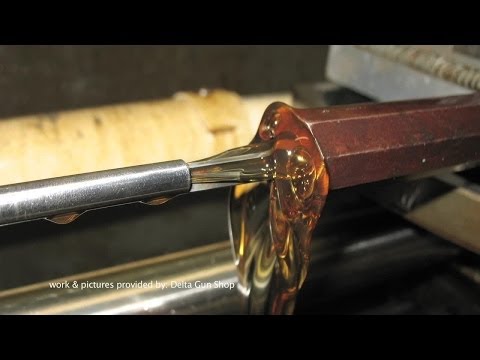
  4. 00:46Tapping Threads & Preventing Tap Breakage
  5. 01:01Finishing Touches & Final Result

Frequently Asked Questions

What is the first step in drilling and tapping a Mauser receiver for a scope base?

The crucial first step is to secure the Mauser receiver in a specialized fixture, such as the Wheeler Engineering Drill and Tap Fixture. This ensures precise alignment, which is essential for accurate hole placement and successful scope mount installation.

How do you prevent breaking a tap when threading a rifle receiver?

To prevent breaking a tap, use a tap bushing and apply slow, steady pressure. It's critical to back the tap off approximately a quarter turn after every slight advance. This clears the metal chips and prevents the tap from binding and snapping.

What tools are needed for drilling and tapping a Mauser receiver?

Essential tools include a specialized drill and tap fixture (like Wheeler Engineering's), drill bits, drill bushings, a tap handle, appropriate taps, cutting oil, and a hand drill. Precision and the right fixtures are key to success.

Why is it important to chamfer the holes after drilling?

Chamfering the mouth of each drilled hole lightly removes any sharp edges or burrs. This creates a cleaner surface, prevents potential damage to the scope base or screws, and ensures a smoother, more professional installation.

More Gunsmithing & DIY Videos You Might Like

More from MidwayUSA

View all →