How to Install a Rear Sight Blade on a Smith and Wesson Revolver | Smith & Wesson Revolver Project

Published on July 22, 2013
Duration: 2:26

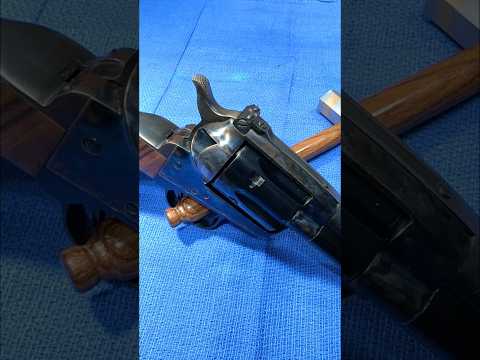
This guide details the process of replacing a rear sight blade on a Smith & Wesson revolver, as demonstrated by Larry Potterfield. It covers disassembly, installation of a new blade (available in various heights and with a white outline option), and securing the assembly using specialized tools. The instruction emphasizes methodical steps for a successful upgrade, improving the sight picture.

Quick Summary

Replacing a rear sight blade on a Smith & Wesson revolver involves careful disassembly using tools like a scribe and spanner bit, followed by installing the new blade and securing it by staking the windage screw. Available in various heights and with optional white outlines, these blades can significantly improve your sight picture and aiming accuracy. Always ensure the firearm is unloaded before beginning work.

Chapters

  1. 00:00Introduction: Replacing Rear Sight Blade
  2. 00:17Assessment and Parts Selection
  3. 00:36Disassembly
  4. 01:06Removing the Old Blade
  5. 01:20Installation of New Blade
  6. 01:46Securing the Assembly
  7. 02:06Final Testing

Frequently Asked Questions

What tools are needed to install a rear sight blade on a Smith & Wesson revolver?

You will need a scribe to depress the sight plunger, a specialized spanner bit tool for the windage nut, a center punch and hammer to stake the windage screw, and a bench block for support during staking. Ensure the firearm is unloaded before starting.

What are the available heights for replacement rear sight blades for Smith & Wesson revolvers?

Replacement rear sight blades for Smith & Wesson revolvers are available in several heights, commonly including .126", .146", and .160". Choosing the correct height is crucial for proper sight alignment with your chosen ammunition and intended use.

How do you secure the new rear sight blade assembly on a Smith & Wesson revolver?

After installing the new blade, windage screw, spring, and plunger, thread the windage nut until seated, then back it off a quarter turn. Support the sight on a bench block and use a center punch and hammer to stake the tip of the windage screw, securing the nut.

What is the benefit of a white outline rear sight blade?

A white outline rear sight blade offers a significantly improved sight picture compared to traditional black blades. The contrast provided by the white outline helps the shooter acquire the front sight faster and more accurately, especially in varying light conditions.

Related News

All News →

More Gunsmithing & DIY Videos You Might Like

More from MidwayUSA

View all →