How to Lap Riflescope Rings to Improve Holding Power | MidwayUSA Gunsmithing

Published on April 10, 2008
Duration: 1:09

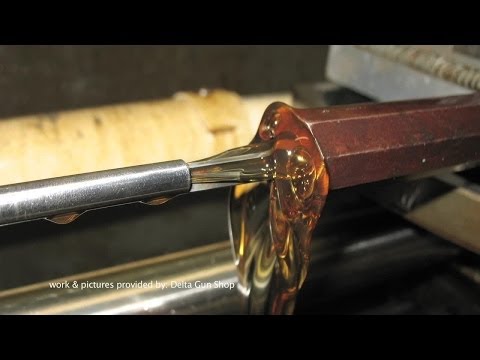
Larry Potterfield, founder of MidwayUSA, demonstrates the essential gunsmithing technique of lapping riflescope rings. This process ensures optimal contact between the scope and rings, enhancing holding power and preventing damage to the scope's finish. The guide details the use of the Wheeler Engineering Scope Lapping Kit, emphasizing the importance of achieving near 100% contact for maximum stability.

Quick Summary

Lapping riflescope rings is a gunsmithing technique to ensure full surface contact between the scope tube and rings. This maximizes holding power, prevents scope slippage, and avoids finish damage. Use a lapping kit with 220 grit compound, applying it to the lapping bar and working it within the lightly tightened rings until near 100% contact is achieved.

Chapters

  1. 00:00Introduction to Lapping Scope Rings
  2. 00:19Tools and Materials for Lapping
  3. 00:30The Lapping Process Explained
  4. 00:45Achieving Full Contact in Scope Rings

Frequently Asked Questions

What is the purpose of lapping riflescope rings?

Lapping riflescope rings ensures a perfect fit between the scope tube and the rings, creating full surface contact. This maximizes holding power, prevents the scope from slipping under recoil, and avoids damaging the scope's finish by eliminating pressure points.

What tools are needed to lap riflescope rings?

You will need a riflescope ring lapping kit, such as the Wheeler Engineering Scope Lapping Kit. This kit typically includes a lapping bar and lapping compound, often around 220 grit, to precisely match the ring interiors to the scope's diameter.

How do you know when scope rings are sufficiently lapped?

You'll know the rings are sufficiently lapped when visual inspection shows nearly 100% contact area between the scope tube and the interior surfaces of both ring halves. Bright spots indicating contact will cover most of the surface.

Can lapping damage a riflescope?

Yes, improper lapping can damage a scope. Over-lapping removes too much material, and using the wrong grit compound can be too aggressive. It's crucial to proceed slowly, check contact frequently, and use the appropriate grit lapping compound.

Related News

All News →

More Gunsmithing & DIY Videos You Might Like

More from MidwayUSA

View all →