Inspecting Smith and Wesson Revolvers | Smith & Wesson Revolver Project

Published on July 1, 2013
Duration: 4:35

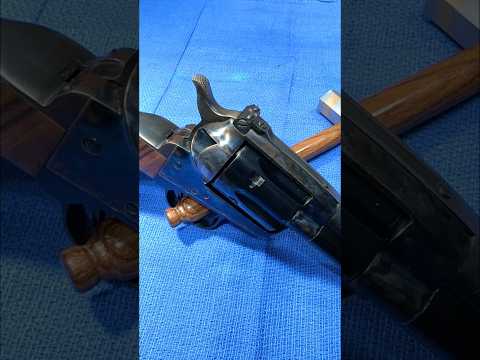
This guide details a systematic inspection process for Smith & Wesson revolvers, as demonstrated by Larry Potterfield of MidwayUSA. It covers external finish, grips, sights, cylinder, barrel, and internal timing, emphasizing the use of precision tools to identify wear and potential issues. The methodical approach ensures a thorough understanding of the firearm's condition.

Quick Summary

A systematic inspection of Smith & Wesson revolvers involves checking external finish, grips, and side plate screws for wear or amateur work. Critical steps include examining sights, cylinder end-shake, yoke, ejector rod runout, forcing cone, and cylinder stop function. Timing checks in single and double action, along with measuring the barrel-cylinder gap with feeler gauges, are essential for assessing mechanical condition.

Chapters

  1. 00:00Introduction to Revolver Inspection
  2. 00:17External Finish and Grip Check
  3. 00:47Side Plate Screw Examination
  4. 01:09Sights Alignment and Condition
  5. 01:40Cylinder, Yoke, and Ejector Rod Checks
  6. 02:33Forcing Cone and Cylinder Stop Function
  7. 03:01Internal Component Wear Assessment
  8. 03:25Timing Checks (Single & Double Action)
  9. 03:58Muzzle and Barrel-Cylinder Gap Measurement

Frequently Asked Questions

What are the key steps for inspecting a Smith & Wesson revolver?

Begin with a safety check, then inspect the external finish, grips, and side plate screws. Check sights, cylinder end-shake, yoke, and ejector rod runout. Inspect the forcing cone, cylinder stop, and internal components for wear. Finally, perform timing checks and measure the barrel-cylinder gap.

How do you check the timing on a Smith & Wesson revolver?

Using snap caps, cycle the action in both single and double-action modes. Ensure the cylinder locks firmly into place just before the hammer falls. This confirms proper engagement between the hand, ratchet, and bolt.

What tools are needed for a detailed revolver inspection?

Essential tools include a scribe for examining screw slots, a machinist's rule for measuring runout, feeler gauges for precise gap measurements, and snap caps for safe timing checks. These allow for accurate assessment of critical tolerances.

Why is checking the barrel-cylinder gap important on a revolver?

The barrel-cylinder gap is crucial for performance. An optimal gap minimizes gas leakage, ensuring consistent velocity and accuracy. Deviations can indicate wear or frame issues, impacting the firearm's overall function and reliability.

Related News

All News →

More Gunsmithing & DIY Videos You Might Like

More from MidwayUSA

View all →