Kommer Models 3 and 4: German Browning Copies

Published on November 17, 2019
Duration: 11:06

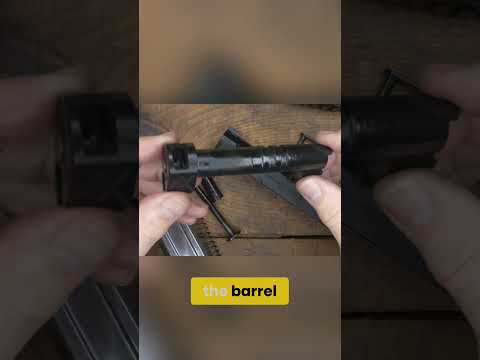
This guide details the disassembly of the Kommer Models 3 and 4, German copies of Browning pocket pistols. Expert Ian McCollum demonstrates how these 1940-era firearms, produced under post-WWI restrictions, differ from their originals, notably in their simplified fire control systems and unique barrel bushing designs. The process involves specific steps for each model, highlighting key differences for gunsmiths and enthusiasts.

Quick Summary

The Kommer Models 3 and 4, produced in 1940 Germany, are detailed German copies of Browning pocket pistols. Expert Ian McCollum highlights their simplified designs, lacking grip and magazine safeties, and unique disassembly methods like the Model 4's threaded barrel bushing. Both models feature the 1940 German Eagle N proof mark.

Chapters

  1. 00:00Introduction: Kommer Models 3 & 4
  2. 00:27Theodor Emil Kommer's History
  3. 00:51Post-WWI Production Shift
  4. 01:24Kommer Model 3 Details
  5. 01:54Kommer Model 4 Details
  6. 02:19Model 3 vs. Colt Baby Browning Comparison
  7. 03:46Model 3 Disassembly & Internal Differences
  8. 05:58Model 4 vs. FN 1910 Browning Comparison
  9. 07:05Model 4 Disassembly & Design Differences
  10. 09:50Production Summary

Frequently Asked Questions

What are the key differences between the Kommer Model 3 and the Colt Baby Browning?

The Kommer Model 3, chambered in 6.35mm (.25 ACP), typically features an 8-round magazine, whereas the Colt Baby Browning usually holds 6 rounds. Both are based on Browning designs, but the Kommer often omits the grip safety found on some Browning models.

How does the Kommer Model 4 differ from the FN 1910 Browning?

The Kommer Model 4, a 7.65mm (.32 ACP) pistol, simplifies the FN 1910 by removing the grip safety and uses a threaded barrel bushing for disassembly. The FN 1910 employs a bayonet lug system for barrel attachment and retains more original Browning safety features.

What is the significance of the Eagle N proof mark on Kommer pistols?

The Eagle N proof mark found on Kommer Models 3 and 4 produced in 1940 signifies that these German firearms passed official proofing standards for that era, indicating their quality and compliance with regulations at the time of manufacture.

Why did Theodor Kommer shift production to pocket pistols after WWI?

Following World War I, the Treaty of Versailles imposed strict limitations on German military arms manufacturing. Theodor Kommer, like many other German gunsmiths, adapted by focusing on the production of civilian pocket pistols, such as his Model 1, which was a copy of the 1906 Colt Browning FN pistol.

More Gunsmithing & DIY Videos You Might Like

More from Forgotten Weapons

View all →