La Beretta più famosa d'Italia è tornata

Published on October 17, 2025
Duration: 9:16

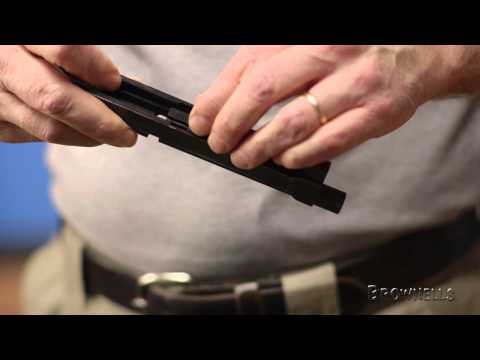
This video provides an in-depth look at the Beretta 92 series, detailing its construction, operation, and common wear points. It explains the unique oscillating block locking system, the differences between 92 and 98 models, and the manufacturing techniques used for its components. The presenter also discusses potential restoration options for a specific mistreated Beretta 92.


Quick Summary

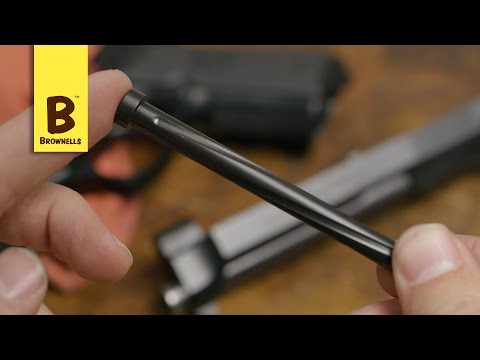
The Beretta 92 series employs an oscillating block locking system, where a block attached to the barrel locks into the slide. This mechanism ensures the barrel and slide remain secured during firing, contributing to the pistol's operational reliability and allowing the barrel to perform a single retraction movement.

Frequently Asked Questions

What is the primary locking mechanism of the Beretta 92 series pistol?

The Beretta 92 series utilizes an oscillating block system. This block is attached to the barrel and locks into recesses in the slide, holding them together while the bullet travels through the barrel. This system contributes to the pistol's reliability.

What are the main differences between the Beretta 92 and Beretta 98 models?

The main difference lies in the chamber depth. The Beretta 98 has a 2mm deeper chamber to accommodate the 9x21mm cartridge, which was prevalent in the Italian market before the 9x19mm Luger became standard. The 92 was originally designed for 9x19mm.

How is the Beretta 92 constructed, and what materials are used?

The Beretta 92 features a steel barrel and slide, with a frame typically made from an aluminum alloy. Other mechanical parts can be manufactured using various methods, including machining, stamping, lost-wax casting, and metal injection molding (MIM).

What are the common issues or wear points on a Beretta 92, and how can they be addressed?

Common issues include surface rust on the barrel and slide, and pitting or flaking of the anodizing on the aluminum frame, especially in grip areas. Restoration may involve addressing rust, refinishing, and potentially upgrading components like the trigger.

Related News

All News →

More Gunsmithing & DIY Videos You Might Like

More from Vampire Guns

View all →