Metalwork on a Beretta Silver Hawk: Anvil 120

Published on February 4, 2023
Duration: 58:18

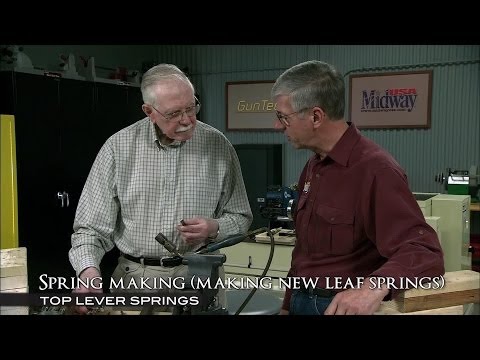
This video details the intricate process of fabricating a replacement front trigger for a 1950s Beretta Silver Hawk 16 Gauge side-by-side shotgun. Mark Novak demonstrates advanced metalworking techniques, including custom tool grinding, precise scribing, drilling, forging with an oxy-acetylene torch, and meticulous filing to match original specifications. The repair also involves ensuring the proper mechanical timing and automatic safety function of the Anson & Deeley hammer system.

Quick Summary

Fabricating a replacement trigger for a classic Beretta Silver Hawk involves detailed design, precise metal scribing, drilling, forging with heat, and meticulous filing to match original specifications, ensuring proper mechanical timing and safety.

Chapters

  1. 00:11Project Overview: Beretta Silver Hawk Trigger Repair
  2. 01:15Disassembly and Custom Tooling for Screws
  3. 08:02Trigger Design and Mechanical Principles
  4. 11:15Metal Fabrication: Scribing and Drilling
  5. 13:30Forging and Bending the Trigger Shoe
  6. 15:56Filing and Fitting to Precision
  7. 17:41Mechanical Timing and Safety Check
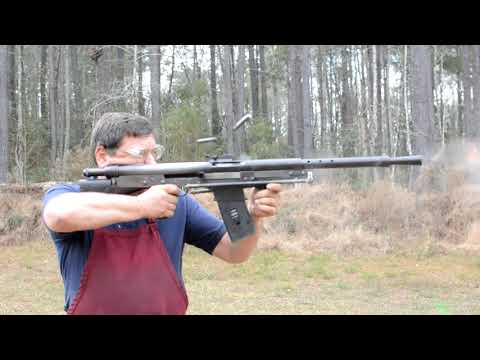
  8. 21:31Final Testing and Range Verification

Frequently Asked Questions

What is involved in fabricating a replacement trigger for a classic shotgun like the Beretta Silver Hawk?

Fabricating a replacement trigger involves detailed design based on existing parts, precise metal scribing and drilling, forging and bending the metal to shape using heat, and meticulous filing to achieve exact dimensions and a comfortable fit.

Why is custom grinding screwdriver bits important for gunsmithing vintage firearms?

Vintage firearms often have thin, engraved screw slots that are easily damaged. Custom-ground screwdriver bits ensure a perfect fit, preventing cam-out and preserving the integrity of the screws and surrounding metalwork.

How does the automatic safety on a Beretta Silver Hawk shotgun function?

The Beretta Silver Hawk, featuring an Anson & Deeley hammer system, has an automatic tang safety. This safety mechanism is designed to automatically engage when the top lever is moved to open the action, preventing accidental firing.

What are the key steps in testing a newly fabricated firearm component?

After fitting, it's crucial to test the mechanical timing of the component with the firearm's action, verify safety mechanisms engage and disengage correctly, and perform test firing to ensure the gun functions as intended without malfunctions like doubling.

Related News

All News →

More Gunsmithing & DIY Videos You Might Like

More from Mark Novak

View all →