Relaying the Rib on a Side-by-Side Shotgun | MidwayUSA Gunsmithing

Published on May 13, 2013
Duration: 2:19

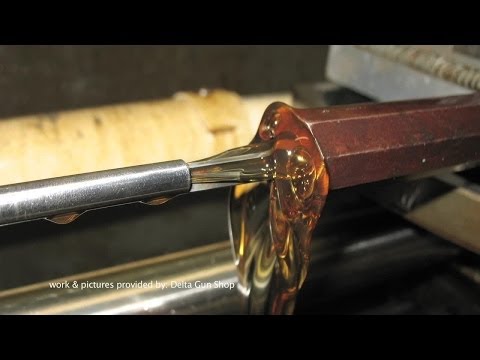
This guide details the process of repairing a loose top rib on a side-by-side shotgun, as demonstrated by master gunsmith Larry Potterfield. The technique involves carefully heating, cleaning, clamping, and soft soldering the rib back into place. It highlights the use of specialized and improvised tools for a professional finish, emphasizing meticulous preparation and execution for a durable repair.

Quick Summary

Repairing a loose shotgun rib involves identifying the issue with a 'tap test,' carefully heating and lifting the rib, thoroughly cleaning the underlying surfaces, and then re-securing it with a soft solder joint. This process requires meticulous preparation, controlled heating, and effective clamping to ensure a durable repair.

Chapters

  1. 00:00Identifying the Problem
  2. 00:27Lifting the Rib
  3. 00:48Cleaning and Preparation
  4. 01:25Clamping and Soldering
  5. 01:55Finishing and Cleanup

Frequently Asked Questions

How do you identify a loose shotgun rib?

A loose shotgun rib can be identified using the 'tap test.' Gently tap the shotgun barrels with a brass hammer and listen for a change in sound compared to a solid rib; a duller or different tone often indicates a loose solder joint.

What tools are needed to repair a loose shotgun rib?

Essential tools include a vice, propane torch, brass hammer, improvised scraping tools (like a hacksaw blade), clamping materials (iron wire, nails), a specialized file, and soft solder (50/50 lead/tin). Degreaser is also recommended.

What is the purpose of flux in shotgun rib repair?

Flux is applied to the joint before soldering to prevent oxidation of the metal surfaces. This ensures a clean, strong bond by allowing the molten solder to flow smoothly and adhere properly to the prepared metal.

How is a loose shotgun rib secured during the soldering process?

A temporary clamping system is created using soft iron wire wrapped around the barrels. Common nails are then wedged under this wire to apply firm, consistent pressure, holding the rib tightly in place while the solder cools.

Related News

All News →

More Gunsmithing & DIY Videos You Might Like

More from MidwayUSA

View all →