Safety Features of the Smith and Wesson Revolver | Smith & Wesson Revolver Project

Published on July 3, 2013
Duration: 3:01

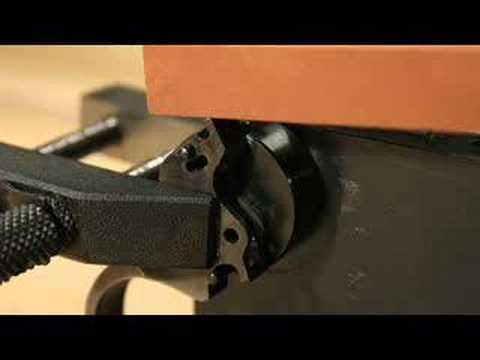
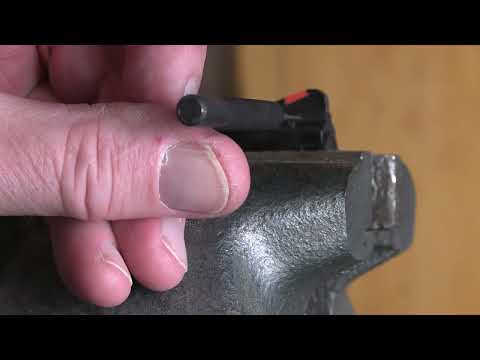
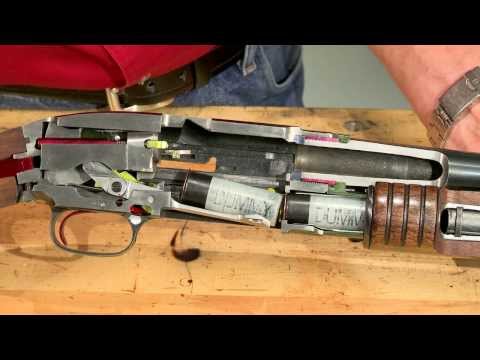
This guide details the three built-in safety features of a Smith & Wesson revolver, as explained by an expert gunsmith. It covers the rebound slide, hammer block, and hammer stop, emphasizing their roles in preventing accidental discharges. The instruction highlights that while these mechanical features are crucial, the shooter's responsible actions are paramount for safety.

Quick Summary

Smith & Wesson revolvers feature three key safety mechanisms: the rebound slide prevents hammer movement without trigger pull, the hammer block acts as a physical barrier until the trigger is fully depressed, and the hammer stop functions as an interlock to manage cylinder operation. Responsible user handling remains the ultimate safety measure.

Chapters

  1. 00:00Introduction to Safety Features
  2. 00:15Proper Disassembly Techniques
  3. 01:00Rebound Slide Explained
  4. 01:32Hammer Block Explained
  5. 01:56Hammer Stop (Interlock) Explained
  6. 02:50Conclusion & User Responsibility

Frequently Asked Questions

What are the three main safety features of a Smith & Wesson revolver?

A Smith & Wesson revolver typically has three built-in safety features: the rebound slide, which prevents the hammer from forward movement unless the trigger is pulled; the hammer block, a physical barrier that retracts only when the trigger is fully pulled; and the hammer stop, which acts as an interlock to prevent cylinder opening when cocked.

How does the rebound slide prevent accidental discharge?

The rebound slide ensures the hammer cannot reach the firing pin unless the trigger is intentionally pulled. This mechanism is crucial for preventing accidental discharge if the firearm is dropped or subjected to impact.

What is the function of the hammer block in a revolver?

The hammer block serves as a physical safety mechanism. It sits between the hammer and the frame, preventing the hammer from striking the firing pin unless the trigger is fully depressed, thereby adding a layer of protection against unintended firing.

Why is it important to use proper tools during revolver disassembly?

Using proper tools, such as a plastic mallet instead of a metal one, and organizing screws with a template, prevents cosmetic damage to the firearm's finish during disassembly. This preserves the firearm's appearance and value.

More Gunsmithing & DIY Videos You Might Like

More from MidwayUSA

View all →