Safety Features of the Smith and Wesson Revolver | Smith & Wesson Revolver Project

Published on July 3, 2013
Duration: 3:01

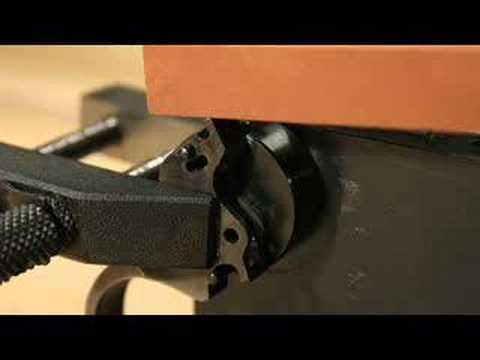
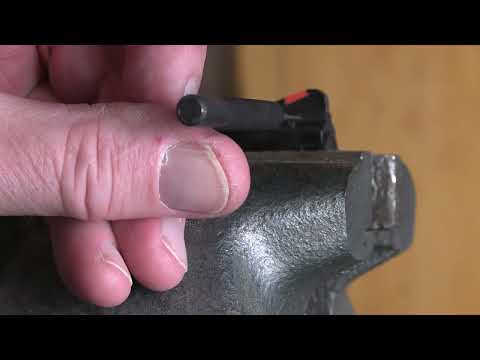
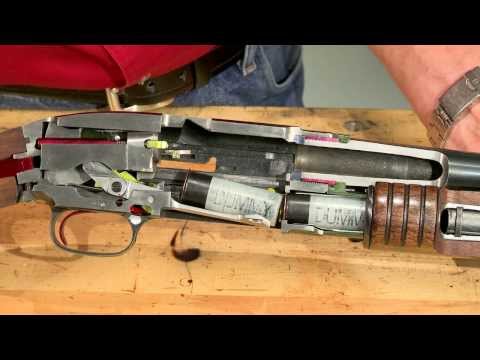
This video details the three primary built-in safety features of a Smith & Wesson revolver: the rebound slide, hammer block, and hammer stop. It emphasizes how these mechanisms prevent accidental discharge, especially when the firearm is dropped or handled improperly. The content also touches on proper disassembly techniques to avoid damaging the firearm.

Quick Summary

Smith & Wesson revolvers feature three built-in safety mechanisms: the rebound slide (prevents hammer forward movement without trigger pull), the hammer block (physical barrier), and the hammer stop (interlocks cylinder and cocking actions). These enhance safety against accidental discharges, especially during drops.

Chapters

  1. 00:00Introduction to S&W Revolver Safety Features
  2. 00:15Proper Revolver Disassembly Techniques
  3. 01:00Understanding the Rebound Slide Safety
  4. 01:32How the Hammer Block Works
  5. 01:56The Function of the Hammer Stop (Interlock)
  6. 02:50Conclusion: User Responsibility in Firearm Safety

Frequently Asked Questions

What are the three main safety features of a Smith & Wesson revolver?

Smith & Wesson revolvers have three primary built-in safety features: the rebound slide, which prevents the hammer from forward movement without trigger pull; the hammer block, a physical barrier between the hammer and frame; and the hammer stop, which interlocks with the cylinder's open/closed state and cocking action.

How does the rebound slide protect against accidental discharge?

The rebound slide ensures the hammer cannot move forward to strike the firing pin unless the trigger is intentionally pulled. This mechanism significantly reduces the risk of an accidental discharge if the revolver is dropped or subjected to impact.

What is the purpose of the hammer block in a S&W revolver?

The hammer block acts as a crucial safety component by creating a physical barrier between the hammer and the frame. It only retracts out of the hammer's path when the trigger is fully pulled, preventing the hammer from striking the frame accidentally.

What does the hammer stop (interlock) do on a Smith & Wesson revolver?

The hammer stop, located on the bolt, serves a dual safety purpose. It prevents the cylinder from being opened when the hammer is cocked and, conversely, prevents the hammer from being cocked if the cylinder is not fully closed and locked.

Related News

All News →

More Gunsmithing & DIY Videos You Might Like

More from MidwayUSA

View all →