How to Fix Excess Cylinder Endshake on a Smith and Wesson Revolver | Smith & Wesson Revolver Project

Published on July 17, 2013
Duration: 2:24

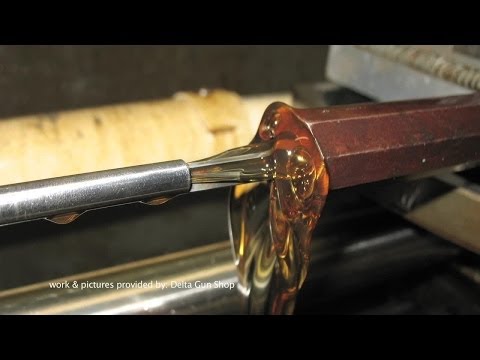
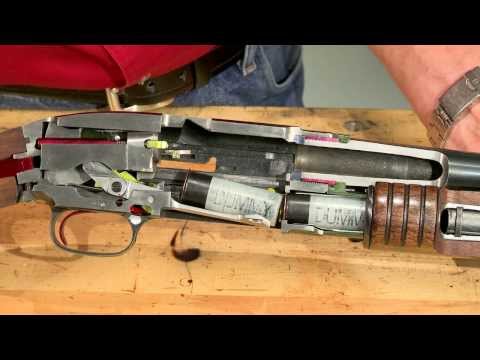
This guide details how to diagnose and correct excessive cylinder endshake on Smith & Wesson revolvers, a common issue affecting timing and accuracy. Expert instructor Larry Potterfield demonstrates the use of specialized tools like feeler gauges and yoke reamers, along with Power Custom endshake bearings, to bring the revolver back into proper specification. Proper disassembly and reassembly techniques are crucial for this gunsmithing task.

Quick Summary

Fixing excessive cylinder endshake on Smith & Wesson revolvers involves precise measurement with feeler gauges and specialized tools like yoke reamers. Power Custom endshake bearings are used to eliminate slack, while careful disassembly and reassembly ensure proper function. This advanced gunsmithing task is crucial for maintaining revolver timing and reliability.

Chapters

  1. 00:00Introduction to Cylinder Endshake
  2. 00:17Measuring Endshake
  3. 00:52Endshake Bearings
  4. 01:02Disassembly and Preparation
  5. 01:26Extractor Rod Removal
  6. 01:44Installation and Reassembly
  7. 02:07Correcting Insufficient Endshake

Frequently Asked Questions

What is cylinder endshake on a revolver?

Cylinder endshake refers to the fore-and-aft movement of a revolver's cylinder when the action is closed. Excessive endshake can cause timing issues and affect reliability, making it a critical aspect of revolver maintenance and gunsmithing.

How do you measure cylinder endshake on a Smith & Wesson revolver?

To measure cylinder endshake, ensure the firearm is unloaded. Then, move the cylinder back and forth and use feeler gauges placed between the cylinder face and the barrel's forcing cone to quantify the gap. This measurement helps determine if corrective action is needed.

What tools are needed to fix cylinder endshake?

Fixing cylinder endshake often requires specialized tools such as feeler gauges for measurement, a padded vise for securing parts, dummy cartridges for protection, and potentially a yoke reamer for precise adjustments. Power Custom endshake bearings are commonly used for correction.

Can I fix cylinder endshake myself?

Correcting cylinder endshake is an advanced gunsmithing task that requires precision tools and a thorough understanding of revolver mechanics. While possible for skilled individuals, it's often best left to experienced gunsmiths to avoid damaging the firearm.

Related News

All News →

More Gunsmithing & DIY Videos You Might Like

More from MidwayUSA

View all →