How to Fix Excess Cylinder Endshake on a Smith and Wesson Revolver | Smith & Wesson Revolver Project

Published on July 17, 2013
Duration: 2:24

This video details how to diagnose and correct excessive cylinder endshake on Smith & Wesson revolvers. It covers measuring endshake using a feeler gauge, identifying the need for endshake bearings, and the disassembly process including removing the extractor rod. The guide also touches on using Power Custom bearings for correction and yoke reamers for insufficient endshake.

Quick Summary

Excessive cylinder endshake on a Smith & Wesson revolver is measured using a feeler gauge to determine the gap between the cylinder and barrel. Correction often involves installing Power Custom endshake bearings (.002 or .004 inch) into the extractor rod assembly to eliminate play.

Chapters

  1. 00:00Introduction to Cylinder Endshake
  2. 00:17Measuring Cylinder Endshake
  3. 00:52Endshake Bearings Explained
  4. 01:02Yoke Disassembly and Preparation
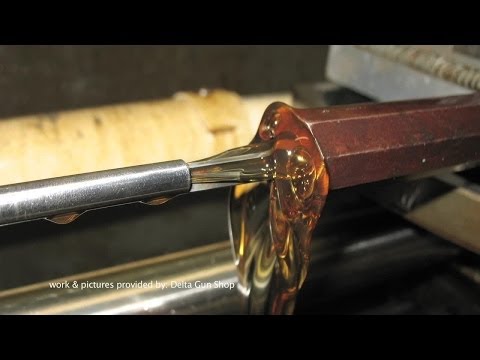
  5. 01:26Extractor Rod Removal
  6. 01:44Installation and Reassembly
  7. 02:07Correcting Insufficient Endshake

Frequently Asked Questions

How do you measure cylinder endshake on a Smith & Wesson revolver?

To measure cylinder endshake, ensure the firearm is unloaded. Move the cylinder back and forth and use a feeler gauge to measure the gap between the cylinder face and the frame's forcing cone when the cylinder is pushed fully forward and then fully rearward.

What causes excessive cylinder endshake in revolvers?

Excessive cylinder endshake is typically caused by wear on the components involved in the cylinder's fore-and-aft movement, primarily the extractor rod, cylinder face, or frame components. It can also result from improper assembly or modifications.

What are endshake bearings used for on revolvers?

Endshake bearings, like those made by Power Custom, are small shims placed within the extractor rod assembly. They are used to take up excess space and precisely eliminate or reduce unwanted fore-and-aft movement (endshake) of the revolver's cylinder.

How can you fix too little cylinder endshake?

If a revolver has insufficient endshake (too tight), a specialized tool called a yoke reamer is used. This tool carefully removes a small amount of material from the yoke's face until the desired, minimal endshake specification is achieved.

Related News

All News →

More Gunsmithing & DIY Videos You Might Like

More from MidwayUSA

View all →