Expert firearms instructor Hickok45 provides a detailed demonstration on the dangers of the revolver cylinder gap. He explains and visually proves how escaping gases from this necessary gap can cause serious injury, especially with powerful magnum rounds. The video emphasizes safe firearm handling and understanding basic revolver mechanics to prevent accidents.
This expert guide from Dustin of Guns of the West details the safety pins and notches found on Colt-style and Remington-style cap and ball revolvers. It explains how these mechanisms function to lock the hammer between chambers but highlights their limitations, particularly the exposure of adjacent nipples. The speaker advises awareness of these vulnerabilities, suggesting practices like loading five rounds for enhanced safety, especially when carrying.
This video demonstrates a critical safety hazard associated with revolvers, specifically the danger posed by the cylinder gap. Mr. Madness, an experienced shooter, uses a Kimber K6s in .357 Magnum to show how escaping gases and debris can cause injury. The demonstration highlights the importance of maintaining a safe grip and keeping fingers away from the cylinder gap during firing.
This video, presented by firearms content creator Mr. Madness, details crucial safety aspects of handling a .357 Magnum revolver, specifically the Kimber K6s. It emphasizes proper cylinder operation, warning against forceful manipulation, and highlights the significant danger posed by the cylinder gap blast, demonstrating how escaping gases and debris can cause severe injury. The instruction is delivered with an experienced and safety-conscious tone.
This guide details the safe carry procedure for Colt 1878/1902 double-action revolvers, as explained by C&Rsenal. It covers understanding the 'fired,' 'rebound,' and 'half-cock' positions and how to load and prepare the firearm for carry by ensuring the hammer rests securely in the rebound notch, preventing accidental discharge. Proper manipulation of the hammer and cylinder rotation are key to safe operation.
This guide details the critical safety aspect of the cylinder gap on revolvers, as demonstrated by Scott of Kentucky Ballistics. It emphasizes understanding the 'pressure cone' created by escaping gases and the importance of proper thumb placement during firing to avoid injury. Proper grip technique is crucial for safe revolver operation.
This video, titled 'Bullet in the Chamber?', directly addresses a critical firearm safety question: 'Do you KNOW if your gun is loaded?'. While no specific firearms are mentioned, the title and description strongly suggest a focus on firearm handling, safety, and the importance of verifying a firearm's status. The content likely aims to educate viewers on safe firearm practices, particularly regarding chamber checks.
This YouTube video focuses on the use of the thumb safety on firearms. While the specific firearm model is not explicitly stated, the title implies a discussion and potential demonstration of safe firearm handling practices, including the operation and importance of the thumb safety. This is a crucial aspect of responsible gun ownership and safe shooting.
This video emphasizes that dropping a loaded firearm is never a good idea, even if manufacturers claim their guns are 'drop safe'. It highlights the increased risk with older revolvers lacking modern safeties, where a dropped hammer could strike a live round. The core message is to avoid dropping any loaded firearm.
This video from Civilian Tactical demonstrates the significant danger posed by a revolver's cylinder gap. Using a Taurus Raging Hunter and hot dogs as proxies for fingers, the host visually proves how escaping high-pressure gases from .460 S&W Magnum and .454 Casull rounds can cause severe damage. The demonstration highlights the critical importance of firearm safety, particularly regarding the cylinder gap.
This video explains the practice of loading only five rounds into a six-chamber single-action revolver, often called the 'John Wayne load'. The primary reason is to ensure the hammer rests on an empty chamber, preventing accidental discharge. While Colt's original safety notch exists, historical accounts and practical demonstrations suggest it's not always reliable, leading to the widespread adoption of the five-round method for enhanced safety, especially in historical reenactments and cowboy action shooting.
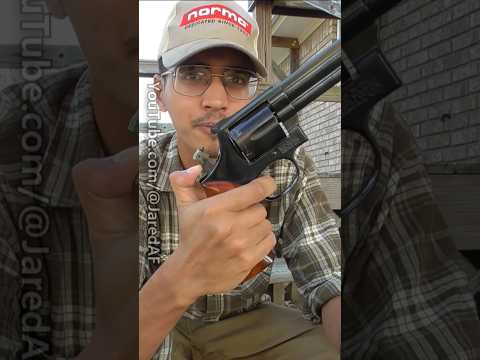
This guide details a safe manual decocking technique for revolvers and hammer-fired semi-automatic pistols, as demonstrated by firearms instructor JaredAF. The method emphasizes controlling the hammer's descent after trigger pull to prevent accidental discharge, a crucial skill for safe firearm handling.
Gun Laws by State
Read firearms regulations for all 50 states + D.C.
Find Gun Dealers
Search licensed FFL dealers near you.