Could This Cause A Serious Injury?

Published on March 19, 2026
Duration: 8:59

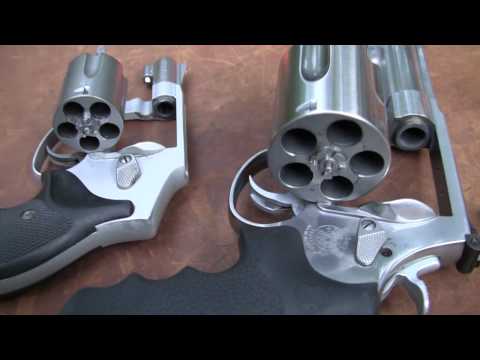
Expert firearms instructor Hickok45 provides a detailed demonstration on the dangers of the revolver cylinder gap. He explains and visually proves how escaping gases from this necessary gap can cause serious injury, especially with powerful magnum rounds. The video emphasizes safe firearm handling and understanding basic revolver mechanics to prevent accidents.

Quick Summary

Expert firearms instructor Hickok45 demonstrates the serious injury risk from a revolver's cylinder gap. He explains that this necessary gap allows high-pressure gases and fragments to escape during firing, which can cause severe injury if fingers or body parts are too close, especially with powerful magnum cartridges.

Chapters

  1. 00:00Introduction & Context
  2. 00:36Channel Support Acknowledgments
  3. 00:51Cylinder Gap Hazard Explained
  4. 01:46Paper Shredding Demonstration
  5. 02:32Recap & Hazard Reinforcement
  6. 03:36Viewer Feedback & Sequel Motivation
  7. 04:54Second Demonstration Setup
  8. 05:40Longer Barrel Demo Results
  9. 06:23Conclusion & Educational Impact

Frequently Asked Questions

What is the primary danger associated with a revolver's cylinder gap?

The primary danger from a revolver's cylinder gap is the escape of high-pressure gas, lead, or copper fragments during firing. If body parts, especially fingers, are too close to this gap, they can be severely injured by these expelled elements.

Why is there a gap between the cylinder and barrel on a revolver?

A cylinder gap is a necessary design feature in revolvers. It allows the cylinder to rotate freely and swing out for loading and unloading. Without this small space, the cylinder would bind against the barrel.

Can the cylinder gap cause injury even with less powerful ammunition?

While the danger is significantly amplified with powerful magnum cartridges, even standard ammunition can expel hot gases and small fragments from the cylinder gap. It's a fundamental safety principle to keep hands and fingers away from this area.

How did Hickok45 demonstrate the cylinder gap hazard?

Hickok45 used a piece of paper held near the cylinder gap of a .44 Magnum revolver. Upon firing, the escaping gases from the gap shredded the paper, visually proving the force and potential danger.

What is the forcing cone on a revolver?

The forcing cone is the tapered section at the rear of the barrel where the bullet transitions from the cylinder into the barrel. It helps guide the bullet smoothly and aligns it with the barrel's bore.

Related News

All News →

More Training & Techniques Videos You Might Like

More from hickok45

View all →