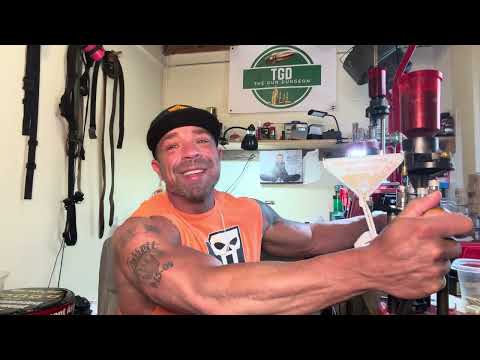
So you want to RELOAD? LET’S DO IT!!

Published on April 30, 2020
Duration: 13:23

This guide details the process of reloading case preparation using wet tumbling, as demonstrated by expert Jerry Miculek. It covers collecting brass, the benefits of wet tumbling over dry methods, selecting cleaning media and solutions, drying techniques, and proper storage. The guide also touches on alternative cleaning methods and emphasizes the importance of case isolation for competitive consistency.

Quick Summary

Expert Jerry Miculek advocates for wet tumbling in reloading case preparation due to its superior internal and external cleaning capabilities and significant reduction in lead dust exposure compared to dry methods. He recommends specific stainless steel media like 'Southern Shine' chips and emphasizes drying brass thoroughly, ideally in an oven at 180-200°F, for optimal results.

Chapters

  1. 00:00Introduction to Reloading
  2. 01:45Wet Tumbling Benefits
  3. 04:17Cleaning Media Comparison
  4. 05:45Cleaning Solutions
  5. 06:15Drying and Storage
  6. 08:06Sonic and Vibratory Cleaning
  7. 10:11Competitive Consistency Tips

Frequently Asked Questions

What are the main advantages of wet tumbling for reloading brass?

Wet tumbling offers superior cleaning, reaching the inside of cartridge cases, and significantly reduces exposure to hazardous lead-laden dust compared to traditional dry tumbling methods, making it a safer and more effective preparation technique.

What type of cleaning media does Jerry Miculek recommend for wet tumbling?

Jerry Miculek prefers aggressive stainless steel media, specifically mentioning 'Southern Shine' chips or wedges, for their faster and more effective cleaning action compared to traditional pins.

How should reloaded brass be dried after wet tumbling?

After wet tumbling, brass can be effectively dried using an electric oven set between 180-200 degrees Fahrenheit. Ensure the cases are completely dry to prevent corrosion or water stains.

Why is isolating brass important for competitive shooters?

Isolating brass for specific firearms, particularly for revolvers using moon clips, ensures consistent case sizing and reliable ignition, which are critical factors for achieving high-level competitive performance and accuracy.

Related News

All News →

More Gunsmithing & DIY Videos You Might Like

More from Lena Miculek - Trigger Tribe

View all →