This video demonstrates an experimental test of replacing lead shot in a 12-gauge shotgun shell with approximately 100 hairpins. The test involves three parts: a water test to show immediate energy, a cardboard test for pattern analysis, and a ballistic gelatin test to assess penetration and projectile behavior. The results indicate significant projectile deformation and penetration, suggesting a potentially lethal outcome.
This video demonstrates an experimental modification of a 12-gauge shotgun shell, replacing birdshot with thousands of bobby pins. Through a three-part test involving water jugs, cardboard targets, and ballistic gelatin, the effectiveness and lethality of this improvised projectile are evaluated. The results indicate significant energy transfer, wide pattern spread, and penetration capabilities, suggesting the bobby pin shell is 'certified deadly'.
This guide details the process of creating DIY hollow point ammunition from FMJ rounds using a drill press, as demonstrated by Civilian Tactical. It covers the modification steps, testing for cycling and accuracy in a Girsan CMX, and evaluating terminal ballistics in ballistic gelatin. The instructor, an experienced firearms expert, advises caution and recommends factory ammunition despite the potential for DIY hollow points to be effective.
This video demonstrates a unique ballistic test using 12 Gauge shotgun shells loaded with jawbreaker candies. The instructor, exhibiting experienced authority, fires these shells at a water jug, paper target, and a Clear Ballistics Joe Fit Head. The results show that these candy projectiles carry significant energy, create a wide spread, and can cause substantial damage, debunking the notion that they are harmless.
This video demonstrates a unique ballistic test using custom shotgun rounds loaded with drill bits, as suggested by AI. The testing, conducted by an experienced individual from Civilian Tactical, involves firing these rounds at various targets including a soda bottle, a paper silhouette, and a ballistic gel head. The results provide insights into the projectile's spread, penetration, and overall effectiveness, offering a practical, albeit unconventional, look at terminal ballistics.
This video demonstrates a DIY method for creating hollow point projectiles by drilling into FMJ bullets. The experiment, conducted at Clay Lake, compares the impact of a standard FMJ against a modified hollow point in a clay target. The results show a significantly larger impact crater from the drilled hollow point, suggesting increased expansion. The speaker, wearing Leupold sunglasses, indicates a potential for accuracy testing next.
This guide details a DIY method for creating hollow point bullets from FMJ projectiles using a common power drill. The video demonstrates the process and compares the terminal ballistics of a modified FMJ against a standard FMJ in a mud lake test. The results showed a significantly larger cavity from the DIY hollow point, surprising the presenter. The video suggests further accuracy testing. Instruction is provided by an experienced individual with clear expertise in ammunition types and reloading.
This video from Banana Ballistics explores pushing the limits of .22LR velocity using modified ammunition, specifically nail gun blanks. The expert instructor demonstrates advanced testing techniques with various chronographs and firearms, highlighting extreme velocities and potential dangers. The content emphasizes safety and provides insights into the performance of different ammunition types and firearm durability under stress.
This guide details the process of creating custom exploding slugs, as demonstrated by an experienced firearms instructor. It involves using 'Lucky 7 Air Ammo' slugs as a base and carefully filling them with explosive material salvaged from '.22 cal Edgun West exploding pellets'. The process emphasizes meticulous handling and securing the material with super glue. The instructor highlights successful test firings using an 'AEA Zeus .50 cal airgun', showcasing the projectile's explosive effect.
This guide details the disassembly of a 12-gauge shotgun cartridge, as demonstrated by an experienced instructor from DROBASHEVICH. It covers the careful cutting of the crimped end, removal of internal components like the wadding and shot cup, and the extraction of the primer. This process is crucial for understanding ammunition construction and potentially for salvaging components for reloading or educational purposes.
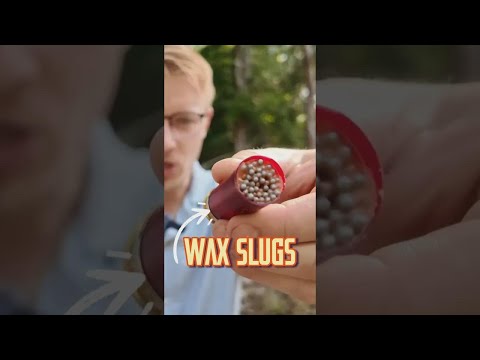
This guide details the process of creating DIY wax slugs, as demonstrated by Tática Civil. The video shows how to modify standard birdshot rounds by coating the pellets in wax and reinserting them into the shell. A destructive test comparing regular birdshot to the wax slug against cinder blocks highlights the significantly increased energy concentration of the wax slug. This modification is presented as a method to enhance projectile impact energy.
This guide details the process of creating DIY wax slugs, as demonstrated by Civilian Tactical. The process involves modifying standard 12-gauge birdshot shells by mixing the lead shot with melted wax and reloading it into the casing. This modification aims to improve projectile integrity and energy transfer upon impact, as shown in a comparison against standard birdshot. The instructor emphasizes safe handling and explains the terminal ballistics of this custom ammunition.
Gun Laws by State
Read firearms regulations for all 50 states + D.C.
Find Gun Dealers
Search licensed FFL dealers near you.