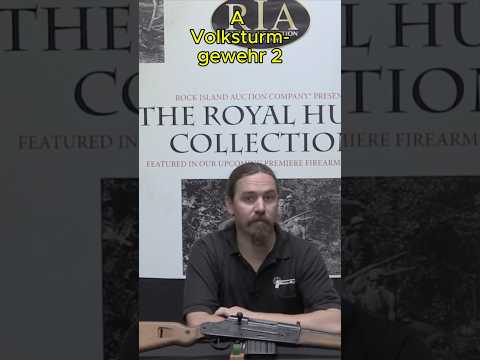
Spreewerke VG-2

Published on April 15, 2016
Duration: 13:11

This guide details the field stripping process for the Spreewerke VG-2, a German last-ditch rifle from late 1944. Expert Ian McCollum demonstrates how to disassemble the rifle, highlighting its unique stamped sheet metal receiver and repurposed barrel construction. The process involves removing the magazine, bolt carrier group, trigger group, and barrel. This information is crucial for collectors and enthusiasts interested in the technical aspects of this rare WWII firearm.


Quick Summary

The Spreewerke VG-2 is a German last-ditch rifle from late 1944, designed for the Volkssturm militia with a focus on simplified production. It features a unique stamped sheet metal receiver and repurposed Luftwaffe machine gun barrels, chambered in 7.92x57mm Mauser and using G43/K43 magazines.

Chapters

  1. 00:00Introduction to the VG-2
  2. 01:48Design and Manufacturing
  3. 03:39Action and Magazine
  4. 04:50Safety and Sights
  5. 05:27Reused Luftwaffe Barrels
  6. 06:15Receiver Construction
  7. 07:56Markings and Codes
  8. 09:17Lack of Waffenamt Stamps
  9. 10:42Rarity and Production

Frequently Asked Questions

What is the Spreewerke VG-2?

The Spreewerke VG-2 is a German last-ditch rifle developed in late 1944 for the Volkssturm militia. It was designed to simplify production during wartime shortages, featuring a stamped sheet metal receiver and repurposed barrels.

What caliber is the Spreewerke VG-2?

The Spreewerke VG-2 is chambered in 7.92x57mm Mauser. It utilizes a bolt-action mechanism and accepts 10-round detachable magazines compatible with the G43/K43 series rifles.

Why does the Spreewerke VG-2 lack Waffenamt stamps?

The Spreewerke VG-2 typically lacks official German Army Waffenamt inspection stamps because its production was managed by local Gauleiters (regional directors) rather than the standard Ordnance Department, reflecting its status as a simplified, last-ditch weapon.

What is unique about the Spreewerke VG-2's construction?

The VG-2's most distinctive feature is its receiver, made from stamped sheet metal for easier production. Additionally, its barrels were repurposed from Luftwaffe aircraft machine guns, showcasing the resourcefulness and material constraints of late-war Germany.

More Gunsmithing & DIY Videos You Might Like

More from Forgotten Weapons

View all →