St Petersburg Cavalry School Mosin Carbine

Published on July 9, 2018
Duration: 9:05

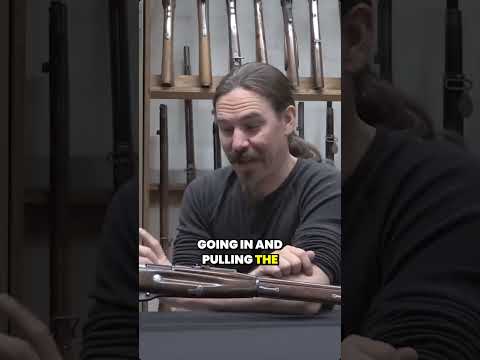
This guide details how to identify a rare St. Petersburg Cavalry School Mosin Carbine, a variant often created from cut-down 1891 rifles. Key features include specific sling swivels, a bent bolt, a 2000-meter rear sight, and provisions for the unique Gulkevich folding bayonet. The video, presented by Ian McCollum of Forgotten Weapons, highlights markings, modifications, and historical mysteries surrounding these firearms, emphasizing the need for careful examination of arsenal stamps, serial numbers, and import proofs.


Quick Summary

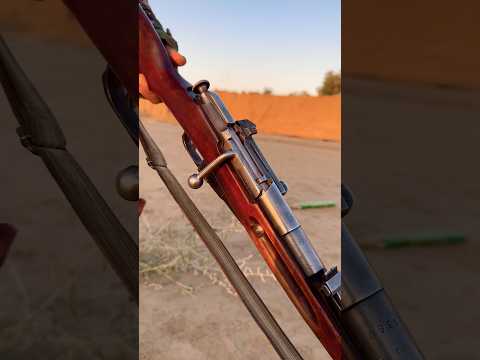
The St. Petersburg Cavalry School Mosin Carbine is a rare variant, often a modified 1891 rifle with a longer barrel than standard 1907 carbines. Key identifiers include side-mounted sling swivels, a bent bolt, a 2000-meter rear sight, and provisions for the unique Gulkevich folding bayonet.

Chapters

  1. 00:00Introduction: St. Petersburg Cavalry School Mosin Nagant
  2. 01:51Gulkevich Folding Bayonet and Mounting
  3. 02:30Receiver Markings: Izhevsk Arsenal and Date
  4. 03:06Rear Sight Graduation (2000 Meters)
  5. 05:11German Import Proof Marks
  6. 06:34Bayonet Fit Issues

Frequently Asked Questions

What makes the St. Petersburg Cavalry School Mosin Carbine unique?

This carbine is unique due to its modifications, often being a cut-down 1891 rifle with a longer barrel than standard 1907 carbines. It features side-mounted sling swivels, a bent bolt, a 2000-meter rear sight, and is designed for the rare Gulkevich folding bayonet.

How can one identify a St. Petersburg Cavalry School Mosin Carbine?

Identification involves looking for specific features like side-mounted sling swivels, a bent bolt handle, a rear sight marked to 2000 meters, and the mounting system for the Gulkevich bayonet. Examining arsenal markings and import proofs also aids in authentication.

What is the historical significance of the Gulkevich bayonet?

The Gulkevich bayonet is extremely rare and was specifically designed to mount onto the St. Petersburg Cavalry School Mosin Carbine. It features a unique side-mounted scabbard, making it a key identifying characteristic of this particular carbine variant.

What do German import proof marks on these carbines signify?

German import proof marks, such as '7,62 mm Russ' and date codes like '9KG' (indicating 1992), signify that these rifles were exported from the Soviet Union and legally imported into Germany, often by companies like Frankonia.

More Gunsmithing & DIY Videos You Might Like

More from Forgotten Weapons

View all →