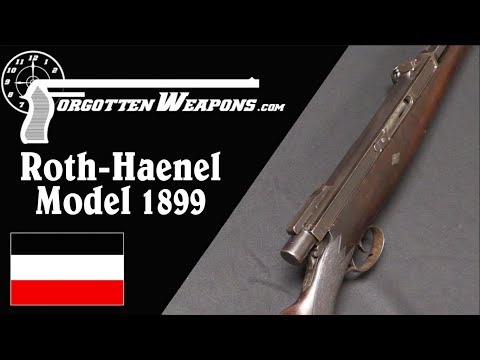
Steyr Model 1911 Semiautomatic Trials Rifles

Published on September 23, 2019
Duration: 11:42

This guide details the disassembly and maintenance of the Steyr Model 1911 semiautomatic trials rifle, as presented by Ian McCollum. It covers accessing internal components like the recoil spring and gas system, emphasizing the unique features of both military and sporting variants. Proper cleaning and lubrication are crucial for maintaining these historical firearms.


Quick Summary

The Steyr Model 1911 was a semiautomatic rifle developed for Austro-Hungarian military trials before WWI. It features a gas-operated, rotating bolt system with the recoil spring in the stock and a complex muzzle assembly. While trials were inconclusive due to the war, both military and civilian variants exist, showcasing unique design elements like an automatic dust cover and a 5-round rotary magazine.

Chapters

  1. 00:00Introduction and Historical Context
  2. 02:03Mechanical Operation
  3. 02:47Unique Features and Safety
  4. 03:56Magazine and Sights
  5. 05:35Gas System and Muzzle Assembly
  6. 08:09Sporting Model Variations

Frequently Asked Questions

What was the purpose of the Steyr Model 1911 rifle?

The Steyr Model 1911 was designed as a semiautomatic rifle submitted for trials by the Austro-Hungarian government just before World War I, aiming to replace existing service rifles with a modern self-loading design.

How does the gas system of the Steyr Model 1911 work?

It employs a gas-operated system with a rotating bolt. Gas pressure is captured at the muzzle by an annular piston, which drives an operating rod connected to the bolt carrier, similar in principle to the later German Gewehr 41.

What are the key differences between the military and sporting versions of the Steyr Model 1911?

The military version has specific sights and a more complex muzzle assembly, while the sporting model features simplified sights, a less intricate muzzle, a smaller safety lever, and a lubrication port in the stock.

Why were the Steyr Model 1911 trials ultimately inconclusive?

The trials were inconclusive because the Austro-Hungarian government prioritized its existing military infrastructure and training for the imminent outbreak of World War I, rather than investing in the adoption and widespread implementation of a new rifle system.

Related News

All News →

More Gunsmithing & DIY Videos You Might Like

More from Forgotten Weapons

View all →