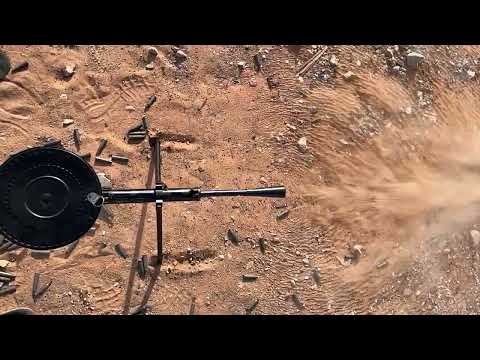
Sudayev's PPS-43: Submachine Gun Simplicity Perfected

Published on September 16, 2025
Duration: 1:01

This guide provides an overview of the Soviet PPS-43 submachine gun, highlighting its simple, full-auto-only operation and efficient design. Expert analysis from Ian McCollum details the stamped steel construction, the dual-purpose guide rod/ejector, and the unique magazine release. The video emphasizes the practical engineering behind this iconic firearm.


Quick Summary

The Soviet PPS-43 submachine gun is celebrated for its extreme simplicity and efficient engineering. It operates in full-auto only, featuring a stamped steel construction and a minimalist trigger mechanism. A key design element is the spring guide rod, which doubles as the ejector, and the magazine release is protected by wings to prevent accidental disengagement.

Chapters

  1. 00:00Introduction to PPS-43
  2. 00:12Rate of Fire and Construction
  3. 00:29Muzzle Brake and Magazine Release
  4. 00:41Internal Mechanics and Ejection

Frequently Asked Questions

What is the rate of fire for the Soviet PPS-43 submachine gun?

The Soviet PPS-43 submachine gun has a rate of fire of approximately 600 rounds per minute. This rate provides a similar amount of trigger time per magazine as the earlier PPS-41 model.

How is the PPS-43 constructed?

The PPS-43 is characterized by its extreme simplicity and is constructed almost entirely from stamped metal. It utilizes rivets and pins for assembly, making it efficient to produce.

What is unique about the PPS-43's trigger mechanism?

The PPS-43 is full-auto only, with no separate fire selector lever. The trigger mechanism is minimalist; pulling the trigger releases the sear, allowing the bolt to fire. A notable feature is the spring guide rod, which also serves as the ejector.

What is the purpose of the protective wings on the PPS-43's magazine release?

The magazine release on the PPS-43 is designed with large protective wings. These wings are intended to prevent accidental engagement of the magazine release during combat or handling, ensuring the magazine stays securely in place.

Related News

All News →

More Gunsmithing & DIY Videos You Might Like

More from Forgotten Weapons

View all →