The Fitz Special: Art of the Gunfighter, Circa 1926

Published on June 2, 2018
Duration: 8:58

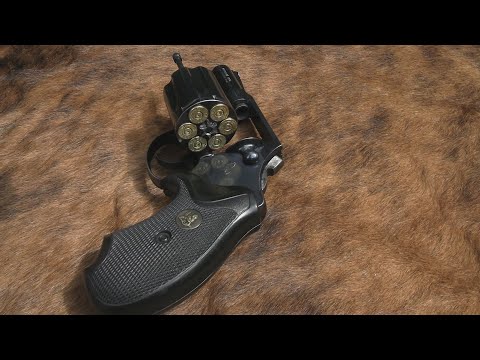
The Fitz Special, developed around 1926 by John Henry Fitzgerald, was an innovative concept for concealed carry, featuring a bobbed hammer, shortened barrel, and a distinctive cut-away trigger guard. While actual Fitz-made guns are rare, the design influenced later revolvers like the Colt Detective Special. Key modifications aimed to reduce snagging and improve trigger access, though the cut-away guard is now considered a safety liability.

Quick Summary

The Fitz Special is a custom revolver modification concept from around 1926, featuring a bobbed hammer, shortened barrel, and a cut-away trigger guard for concealed carry. Developed by John Henry Fitzgerald, it aimed for snag-free drawing and faster trigger access, influencing later designs like the Colt Detective Special.

Chapters

  1. 00:00Introduction to the Fitz Special
  2. 01:41Design Philosophy and History
  3. 03:08Technical Modifications Explained
  4. 04:09The Controversial Cut-Away Trigger Guard
  5. 05:26Action, Caliber, and Finish Details
  6. 07:03Legacy and Modern Perspective

Frequently Asked Questions

What is a Fitz Special revolver?

The Fitz Special is a custom revolver modification concept, popularized around 1926 by John Henry Fitzgerald. It typically features a bobbed hammer, a shortened barrel (often 2 inches), and a distinctive cut-away trigger guard, designed for concealed carry and snag-free drawing.

Who invented the Fitz Special?

The Fitz Special concept was developed by John Henry Fitzgerald, a notable exhibition shooter, former police officer, and long-time employee of the Colt Patent Fire Arms Manufacturing Company.

What are the key modifications of a Fitz Special?

Key modifications include a bobbed hammer to prevent snagging, a shortened barrel (usually around 2 inches), and the removal of the front half of the trigger guard to allow faster trigger access. The hammer bobbing also typically makes the revolver double-action only.

Why was the trigger guard cut away on a Fitz Special?

The front half of the trigger guard was removed to facilitate quicker trigger acquisition, especially beneficial for shooters with larger hands or those wearing gloves. This was a design choice aimed at improving defensive speed in the 1920s.

Related News

All News →

More Gunsmithing & DIY Videos You Might Like

More from Forgotten Weapons

View all →