The Nearly Perfect Bolt Handle Presented by Larry Potterfield | MidwayUSA Gunsmithing

Published on July 31, 2013
Duration: 3:10

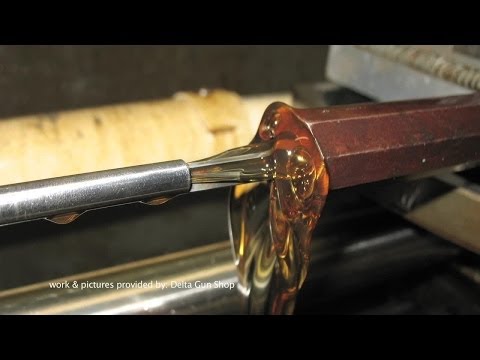
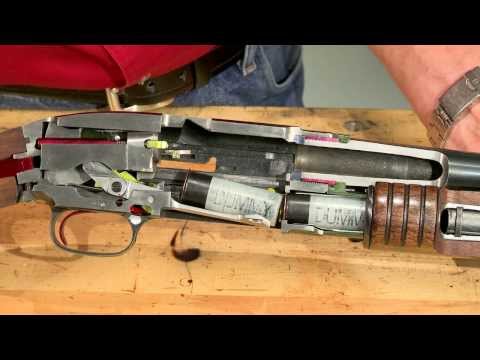
This video demonstrates a practical modification to improve the ergonomics of a Remington 700 bolt handle, addressing its less-than-ideal factory knob design. By carefully cutting off the original knob and TIG welding on a larger, more accessible knob from a Mauser bolt, the process significantly enhances the speed and ease of bolt manipulation for faster follow-up shots, especially crucial for safari rifles.

Quick Summary

Modifying a Remington 700 bolt handle involves cutting off the factory knob, drilling a 0.120-inch hole, and TIG welding on a replacement knob, often from a Mauser bolt, to improve ergonomics and cycling speed.

Chapters

  1. 00:00Introduction to Bolt Handle Design
  2. 00:31Historical Bolt Handle Examples
  3. 01:12The Remington 700 Problem
  4. 01:27Tools and Preparation for Modification
  5. 02:04Machining and Welding the New Knob
  6. 02:41Finishing and Testing the Modified Handle

Frequently Asked Questions

What is the main problem with the factory Remington 700 bolt handle?

The factory Remington 700 bolt knob is often considered less ergonomic because it's smaller, oval-shaped, and has limited clearance from the stock, which can slow down rapid cycling compared to larger, rounder designs.

What tools are needed to modify a bolt handle?

Modifying a bolt handle requires a hand grinder, drill press or mill, lathe, TIG welder, a brass heat sink, heat control paste, and various files for finishing the weld.

How is a custom bolt knob attached to a rifle bolt?

The process involves cutting off the original knob, drilling a precise hole in the bolt handle, turning a tenon on the new knob to fit, and then TIG welding the new knob securely in place using heat protection.

Why is bolt handle design important for safari rifles?

For safari rifles, a well-designed bolt handle must allow for fast and flawless cycling. It needs to be easily acquired and manipulated with either the palm or fingers, enabling quick follow-up shots.

Related News

All News →

More Gunsmithing & DIY Videos You Might Like

More from MidwayUSA

View all →