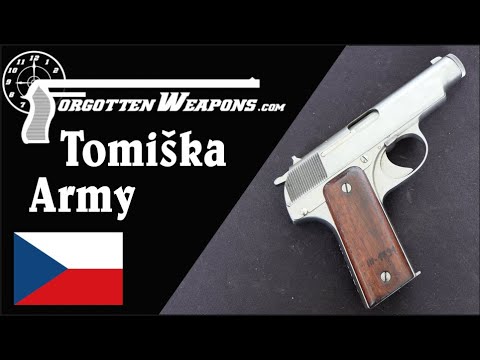
Toolroom Prototype .32 ACP Walther Olympia

Published on July 10, 2019
Duration: 7:02

This entry details a rare toolroom prototype of the Walther Olympia pistol chambered in .32 ACP. It was developed for intermediate caliber competitive shooting in Europe, a market Walther aimed to enter. The prototype features a simple blowback action, an unfinished steel 'in the white' finish, and a modified Walther PP magazine. Its development was likely halted by WWII, leaving it a unique piece of Walther's history.

Quick Summary

A rare 'in the white' toolroom prototype of the Walther Olympia pistol in .32 ACP (7.65mm Browning) was developed for European intermediate caliber competition shooting. It features a simple blowback action, adjustable sights, and a modified Walther PP magazine. Its production was likely halted by WWII, leaving it a unique piece of Walther history.

Chapters

  1. 00:00Introduction to the Walther .32 ACP Olympia Prototype
  2. 00:43Competitive Shooting Context
  3. 01:39Mechanical Design and Slide Mass
  4. 02:48Prototype Features and Tool Marks
  5. 04:08Magazine and Production Comparison
  6. 05:29Final Assessment and Historical Context

Frequently Asked Questions

What makes the Walther Olympia .32 ACP prototype unique?

This prototype is unique due to its 'in the white' unfinished steel finish, its development for the intermediate caliber European competition market, and its modified Walther PP magazine. It represents a rare experimental variant of the Walther Olympia pistol.

Why was the .32 ACP caliber chosen for this Walther Olympia prototype?

The .32 ACP (7.65mm Browning) was selected for its suitability in European intermediate caliber competitive shooting events. It offered a balance of manageable recoil and sufficient power, making it a popular choice for this category.

What are the key mechanical differences between the .32 ACP prototype and other Walther Olympia models?

The .32 ACP prototype features a heavier steel slide necessary for its simple blowback operation with the more powerful cartridge, contrasting with lighter slides found on .22 rimfire variants. It also has a wider magazine well.

What historical factors likely prevented the Walther Olympia .32 ACP from mass production?

The onset of World War II and potentially limited market demand for such a specialized competition pistol are believed to be the primary reasons this model never entered full-scale production, making surviving prototypes exceptionally rare.

Related News

All News →

More Gunsmithing & DIY Videos You Might Like

More from Forgotten Weapons

View all →