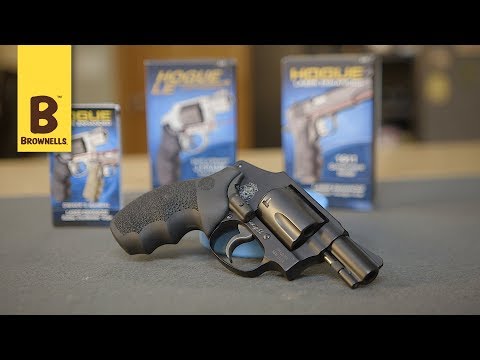
X-Roy Glasses: Cutting Cylinders For Science

Published on November 10, 2022
Duration: 8:43

This video demonstrates cutting through Smith & Wesson revolver cylinders to visually inspect their internal structure. The presenter highlights the surprising thickness of the cylinder walls and the significant material removed by the bolt cutouts, particularly in areas subjected to high pressure from proof loads. The analysis reveals how these design elements contribute to the overall strength and safety of revolvers.

Quick Summary

Revolver cylinders are engineered for strength, even at the bolt cutout which thins the steel. This area, along with differential hardening, allows cylinders to withstand significant pressure from proof loads. The chamber rim stop also plays a crucial role in safe cartridge chambering.

Chapters

  1. 00:00Introduction: Cutting Revolver Cylinders
  2. 00:36Proof Loads and Cylinder Weaknesses
  3. 01:52Cutting the J-Frame Cylinder
  4. 02:12Cylinder Hardening and Cutting Difficulty
  5. 02:46J-Frame Cylinder Analysis
  6. 03:00J-Frame Bolt Cut Location
  7. 03:21J-Frame Cylinder Wall Thickness
  8. 03:45Chamber Rim Stop Feature
  9. 04:47Preparing to Cut N-Frame Cylinder
  10. 05:07N-Frame .357 Magnum Cylinder
  11. 05:42Hacksaw Blade Change
  12. 05:56N-Frame Cylinder Analysis
  13. 06:27N-Frame Cylinder Bolt Cutout
  14. 06:46Bolt Cutout Impact on Thickness
  15. 07:27Conclusion and Future Ideas

Frequently Asked Questions

What is the purpose of the bolt cutout on a revolver cylinder?

The bolt cutout is a notch on the cylinder's circumference where the cylinder bolt engages to lock the cylinder in place, preventing it from rotating unintentionally. This cutout significantly thins the steel at the base of the chamber.

Are revolver cylinders weak at the bolt cutout?

While the bolt cutout thins the steel, revolver cylinders are engineered to be strong. The material is often differentially hardened, and the design accounts for the pressure generated by fired cartridges, making them resilient even with heavy loads.

How does the chamber rim stop feature work in a revolver?

The chamber rim stop is a small ridge inside the chamber that prevents the cartridge rim from moving further forward. This feature is critical for correct chambering and prevents longer cartridges from being fully seated in cylinders designed for shorter ones.

Why is cutting a revolver cylinder with a hacksaw difficult?

Revolver cylinders are made from hardened steel, often differentially hardened for strength. This makes them very resistant to cutting tools like a hacksaw, requiring slow progress, frequent cooling, and multiple blade changes.

More Gunsmithing & DIY Videos You Might Like

More from GUNS and American Handgunner Magazines

View all →