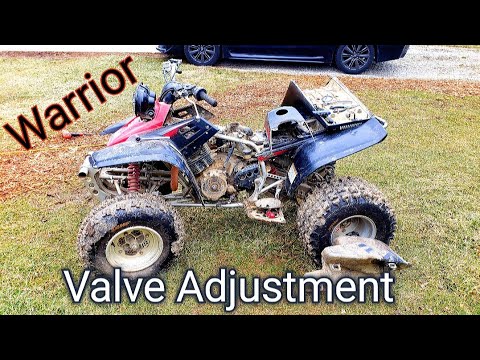
Yamaha Warrior 350 Clutch Replacement *Detailed* How to Replace Warrior Clutch ATV

Published on March 23, 2021
Duration: 28:46

This detailed guide walks through replacing the clutch on a Yamaha Warrior 350 ATV. It covers draining oil, removing the clutch cover, disassembling the clutch basket and plates, installing new components, and reassembling the cover. Specific torque specifications for various bolts and nuts are provided, along with tips for dealing with seized bolts and proper gasket preparation. The guide also touches on clutch lever adjustment for engagement feel.

Quick Summary

Replacing the clutch on a Yamaha Warrior 350 involves draining oil, removing the clutch cover, disassembling the clutch basket and plates, installing new components, and reassembling. Key torque specifications include 7.2 ft-lbs for clutch springs and cover bolts, and 58 ft-lbs for the clutch basket nut. Proper gasket surface preparation is crucial for preventing leaks.

Chapters

  1. 00:00Introduction and Symptoms
  2. 01:26Locating the Clutch Cover
  3. 01:34Preparing Clutch Plates
  4. 02:01Oil Change Recommendation
  5. 02:34Removing Clutch Cover Bolts
  6. 02:51Removing Clutch Arm
  7. 04:04Removing Remaining Cover Bolts
  8. 04:19Dealing with Stubborn Bolts
  9. 05:00Soaking Bolts and Using Wrenches
  10. 06:09Cover Bolt Removal Complete
  11. 07:03Clutch Assembly Exposed
  12. 07:11Bearing and Push Rod Removal
  13. 07:31Removing Pressure Plate Bolts
  14. 08:06Accessing Basket Nut
  15. 08:08Bending Tab for Basket Nut
  16. 08:29Removing Clutch Basket Nut
  17. 10:35Clutch Basket Removal
  18. 11:02Clutch Plate Removal and Inspection
  19. 13:08Reinstalling Clutch Basket
  20. 13:13Installing Clutch Plates and Discs
  21. 14:34Aligning Pressure Plate
  22. 15:15Installing Pressure Plate
  23. 16:38Reinstalling Basket Nut
  24. 16:50Torquing Basket Nut
  25. 17:29Removing Basket Nut for Spring Installation
  26. 17:31Installing Clutch Springs
  27. 18:38Torquing Spring Bolts
  28. 18:42Correcting Plate Orientation
  29. 18:47Reinstalling Shaft and Bearing
  30. 18:52Gasket Surface Preparation
  31. 20:08Cleaning Clutch Cover Gasket Surface
  32. 21:06Preparing Engine Case for Gasket
  33. 21:46Reinstalling Clutch Cover
  34. 21:51Snugging Cover Bolts
  35. 22:08Installing Remaining Cover Bolts
  36. 22:33Torquing Cover Bolts
  37. 23:08Bolt Length Identification
  38. 23:47Final Cover Reassembly
  39. 24:00Reinstalling Clutch Arm
  40. 24:43Oil Filter Replacement
  41. 25:12Torquing Oil Filter Screws
  42. 25:16Refilling Engine Oil
  43. 25:31Clutch Lever Adjustment
  44. 27:50Conclusion and Final Thoughts

Frequently Asked Questions

What are the symptoms of a worn clutch on a Yamaha Warrior 350?

Symptoms of a worn clutch on a Yamaha Warrior 350 can include difficult shifting, the ATV catching in gear unless accelerating, clutch slip in higher gears, and the ATV jumping forward when shifted into gear from neutral even with the clutch pulled in.

What tools are essential for a Yamaha Warrior 350 clutch replacement?

Essential tools include various wrenches (8mm, 5/16", 12mm, 14mm, 27mm), a socket set, ratchet, hammer, gasket scraper, torque wrench (preferably with inch-pound capability for low torque settings), and rags. An impact gun and clutch holding tool are optional but helpful.

What is the torque specification for the clutch springs on a Yamaha Warrior 350?

The torque specification for the clutch springs on a Yamaha Warrior 350 is 7.2 foot-pounds. For accurate torque at this low setting, it's recommended to use an inch-pound torque wrench.

How do you properly prepare the gasket surface when replacing the clutch cover on a Yamaha Warrior 350?

The gasket surface on both the engine case and the clutch cover must be thoroughly cleaned of all old gasket material and oil. Use brake cleaner and a rag for a dry mating surface. Be cautious when scraping aluminum cases to avoid shaving material.

What is the torque specification for the clutch basket nut on a Yamaha Warrior 350?

The clutch basket nut on a Yamaha Warrior 350 should be torqued to 58 foot-pounds. Special tools or techniques may be needed to hold the basket stationary while torquing.

More Gunsmithing & DIY Videos You Might Like

More from Buckeye Ballistics

View all →