How To Be A Better Hunter | Part 4 | Equipment | Tactical Rifleman

Published on October 18, 2019
Duration: 38:11

This video, part four of a series on hunting like a sniper, focuses on essential equipment. It emphasizes investing in high-quality optics, particularly those with good glass made in Japan, for better light transmission, crucial for low-light hunting. The instructor also covers the utility of trail cameras for pattern analysis, topographic mapping apps for terrain planning, communication radios for group coordination, and advanced tools like night vision and thermal optics for spotting game. The guide stresses the importance of proper gear for cold weather, scent control, and stable shooting platforms to improve hunting success.

Quick Summary

For better hunting success, invest in high-quality optics with good glass, ideally made in Japan, for superior light transmission during low-light conditions. Utilize topographic mapping apps for detailed terrain analysis and planning, and consider communication radios for group coordination in areas without cell service.

Chapters

  1. 00:00Introduction to Hunting Equipment
  2. 00:50Sponsor Mention: Sportsman's Guide
  3. 01:26Optics: Quality Glass and Objective Lenses
  4. 02:46Primary Arms Platinum Series Optics
  5. 03:49Binoculars for Scouting
  6. 05:25Kill Flash Improvisation
  7. 08:04Trail Cameras for Pattern Analysis
  8. 09:03Topographic Maps and Terrain Analysis
  9. 10:26Gaia GPS for Map Downloads
  10. 10:47Grid Overhead Sketch (GOSS) for Group Hunts
  11. 12:43Communication: Cell Phones vs. Radios
  12. 13:09MURS Radios and Line of Sight
  13. 13:57Headsets and Bone Mic Communication
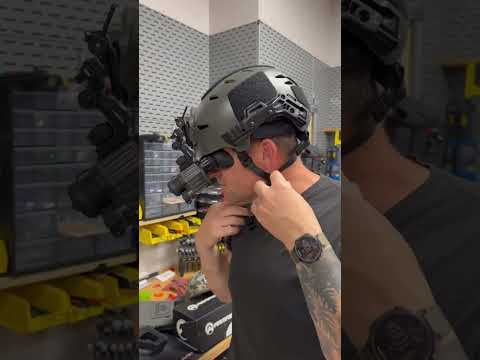
  14. 14:23Night Vision and Thermal Optics
  15. 14:39Military PVS-14 Night Vision
  16. 15:05FLIR Thermal Breach
  17. 16:35Weapon-Mounted Thermal Optics
  18. 17:12Thermals for Blood Trail Tracking
  19. 18:08Laser Rangefinders
  20. 18:22Sig KILO 2400 ABS Rangefinder
  21. 19:11Wind Meters and Ballistic Software
  22. 19:46Applied Ballistics Software
  23. 20:23Shooting Support: Bipods and Tripods
  24. 20:47Atlas Bipods
  25. 20:59KAMP JAGER Reaper Tripod
  26. 21:50Cold Weather Gear Introduction
  27. 23:04HME Electric Hand Warmer/Charger
  28. 24:21Insulated Boots and Boot Blankets
  29. 25:34Camouflage Clothing Patterns
  30. 25:48Insulated Jackets and Parkas
  31. 26:21I-WOM Parker Functionality
  32. 29:43Hides and Ground Blinds
  33. 30:31Guide Gear Pop-Up Tent
  34. 31:02Types of Hunting Stands
  35. 31:47Guide Gear Extreme Comfort Stand
  36. 32:39Stand Placement Strategy
  37. 34:14Scent Management
  38. 35:07Attractants vs. Cover Scents
  39. 36:32Infiltration Platforms: ATVs vs. Electric Bikes
  40. 37:08Conclusion: Hunting Like a Sniper
  41. 37:41Take a Class with Tactical Rifleman

Frequently Asked Questions

What type of optics does the instructor recommend for hunting?

The instructor recommends investing in the best glass you can afford, ideally high-density glass made in Japan, for better light transmission. This is crucial for hunting during low-light conditions like dawn and dusk.

How can hunters improve their terrain analysis for planning hunts?

Hunters can use apps like Gaia GPS to access US government topographic maps. These maps provide detailed information on terrain features such as ravines and cliffs, which is essential for planning safe routes and infiltration paths.

What communication methods are recommended for hunting groups?

While cell phones can be useful for texting, MURS radios are recommended for areas with no cell signal. These radios offer better range, but their effectiveness is line-of-sight, so hunters may need to reach high ground for clear communication.

What are the advantages of using night vision and thermal optics for hunting?

Night vision devices enhance vision in low light, allowing hunters to see in the dark. Thermal optics detect heat signatures, making them effective for spotting animals in dense cover or tracking blood trails, providing a significant advantage over game.

Why is proper cold-weather gear important for hunters?

Staying warm is critical because being cold leads to movement, which can spook game. Good cold-weather gear, including insulated clothing and hand/foot warmers, ensures hunters can remain still and patient in their hides or stands.

Related News

All News →

More Hunting & Outdoors Videos You Might Like

More from Tactical Rifleman

View all →