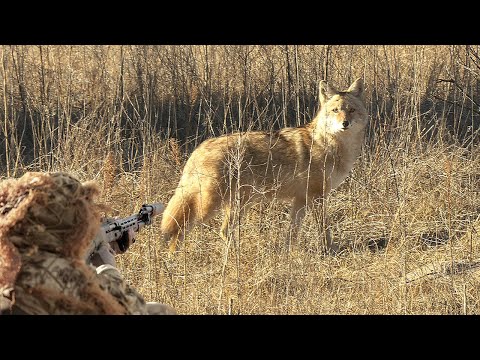
O'Neill OPS podcast 18: The Art Of Camouflage

Published on November 19, 2021
Duration: 69:53

This podcast episode delves into the art and application of camouflage for predator hunting, specifically coyotes. The hosts emphasize that while not strictly necessary for all hunters, camouflage significantly enhances concealment, especially when filming or trying to coax animals into close range. They discuss various patterns, their effectiveness in different terrains, and the importance of breaking up one's silhouette. The conversation highlights how natural camouflage principles observed in animals are applied to modern hunting gear and techniques.

Quick Summary

Camouflage is vital for coyote hunting, especially when filming, as it breaks up the hunter's silhouette and conceals equipment, enabling closer, more ethical shots. Effective patterns for open terrain include tan-based designs like MultiCam Arid and Kryptek Nomad, which blend better with arid environments than traditional woodland patterns. Natural camouflage principles observed in animals are applied to modern gear to mimic local vegetation and disrupt outlines.

Chapters

  1. 00:00Intro and Podcast Setup
  2. 01:47O'Neill OPS Podcast Introduction
  3. 02:21The Need for Detailed Discussion
  4. 03:14How Much Gear Do You Need?
  5. 04:24Today's Topic: Camouflage
  6. 05:00Evolution of Camouflage Use
  7. 06:09Non-Traditional Camouflage Approach
  8. 06:30Effectiveness of Early Patterns
  9. 07:00Advancements in Camouflage Technology
  10. 07:36Mossy Oak Brush Camo
  11. 08:01Tan-Based Camouflage Preference
  12. 08:08Faded Carhartt as Camouflage
  13. 09:07Mindset on Camouflage
  14. 09:31New Camouflage Patterns Emerge
  15. 10:04Kryptek Camo Patterns
  16. 10:17MultiCam's Emergence
  17. 11:19Analyzing the MultiCam Pattern
  18. 12:10MultiCam Variations (Arid, Tropic, Black)
  19. 13:00Adoption of MultiCam
  20. 13:49Working with True Spec and Kitaniaca
  21. 14:40Kitaniaca Pants and Patterns
  22. 15:09Disappearing in MultiCam
  23. 15:30Camouflage Effectiveness at Distance
  24. 16:06The 'Hold Still' Argument
  25. 16:24Evolution of Human Marksmanship
  26. 17:08Camouflage for Precision Shooting
  27. 17:11Coyote Hunting: Need vs. Want
  28. 17:32Filming and Close-Range Shots
  29. 18:11Systemic Approach to Hunting
  30. 18:50Optimal Hunting Distance
  31. 19:08Masking Equipment and Presence
  32. 19:40Developing Custom Camouflage
  33. 20:24Tactical Concealment Designs
  34. 21:03Breaking Up the Outline
  35. 21:14Elevation and Set Placement
  36. 21:35Shooter Prone and Ghillie Hoods
  37. 22:00Concealing the Camera Gear
  38. 22:37Using Natural Elements for Camouflage
  39. 23:14Ghillie Hoods as an Asset
  40. 23:32Excitement for Seasonal Grasses
  41. 24:19Matching Camouflage to Grass Types
  42. 25:02Set Selection and Environmental Factors
  43. 25:38Mimicking Natural Patterns
  44. 26:12Ghillie Hood Fabric and Design
  45. 27:03Animal Adaptations for Survival
  46. 27:31Prey vs. Predator Eye Placement
  47. 28:26Concealing Patterns in Nature
  48. 29:19Disruptive Camouflage in Predators
  49. 29:35Applying Natural Patterns
  50. 30:02Multiple Aspects of Camouflage
  51. 30:24The Art of the Set
  52. 30:38Painting the Picture
  53. 31:06Camouflage's Role in Their Method
  54. 31:11Utilizing Shadows and Light
  55. 32:02Taking Advantage of Time of Day
  56. 32:36Sun Angle and Harshness
  57. 33:02Camouflage as a Controversial Subject
  58. 33:13Arguments Against Camouflage
  59. 33:34The Role of Cameras in Hunting
  60. 34:00Marketing and Commercialization
  61. 34:44Value and Assets in Hunting
  62. 35:00Ranch Life and Podcast Scheduling
  63. 35:30Camouflage: Easy Topic, High Benefit
  64. 36:09Nighttime Camouflage Considerations
  65. 36:54Snow Camouflage Effectiveness
  66. 37:39Break Up Your Outline
  67. 37:46Kryptek Yeti and Overwhite Fabric
  68. 38:42Taraka Snow Camouflage
  69. 39:18Snow Drift Camouflage
  70. 40:33Badlands Arid Pattern (PenCott)
  71. 41:27Tan Preference in Arid Environments
  72. 42:00Mixing Camouflage for Snow Conditions
  73. 43:02White Conditions and Camouflage
  74. 43:35Questions on Camouflage
  75. 44:18Main Objective: Gear Necessity
  76. 44:47Filming and Capturing Animal Behavior
  77. 45:22Numbers vs. Quality of Shots
  78. 45:48Acquired Skill Sets
  79. 46:17Pristine Kill Shots vs. Quantity
  80. 46:34Murder Mode and Rancher Problems
  81. 47:03Selective Hunting with Camouflage
  82. 47:34Overthinking vs. Thinking About Stuff
  83. 48:19The Reason for Animal Camouflage
  84. 49:31Applying Natural Camouflage Principles
  85. 50:11Fooling Advanced Animals
  86. 50:14Utilizing Harvested Animals
  87. 50:54Historical Significance of Fur Trade
  88. 51:22Prepper Mentality vs. Practicality
  89. 52:07Adaptability in Hunting
  90. 52:32Understanding Shadows in Sets
  91. 53:33Shadows and Sun Position
  92. 53:47Disruptive Skyline with Ghillie Hoods
  93. 54:44Conquering Obstacles with Camouflage
  94. 55:16Abiding by Shadows
  95. 55:34Podcast Length and Topics
  96. 55:45Cerakoting Firearms
  97. 55:55Thermal Drone Usage
  98. 56:10YouTube Channel and Content
  99. 56:46Upcoming Podcast Guests
  100. 56:55Glen Eberle (Eberly Stock)
  101. 57:00Michael Buckley (Optics Academy)
  102. 57:27Infrared Illuminators and Lasers
  103. 57:34Accuracy International Mention
  104. 57:43Scott Hampton and Tim Wells
  105. 58:59Tim Wells's Call
  106. 59:38Tim Wells's Plans
  107. 60:16Podcast with Tim Wells
  108. 60:34Primitive Survival Skills
  109. 61:01Recent Hunts and Gear
  110. 61:17New Ricoh Thermal Scopes
  111. 61:31RH-25 Micro Thermal Scopes
  112. 62:29Chris Robinson (Night Crew)
  113. 63:04Tyler Adair and Docu-Series Plans
  114. 63:43Ultimate Night Vision Collaboration
  115. 64:52Concluding Remarks

Frequently Asked Questions

What are the most effective camouflage patterns for coyote hunting in open terrain?

For open terrain, tan-based camouflage patterns are highly recommended over traditional dark woodland designs. Patterns like MultiCam Arid, Kryptek Nomad, and even faded tan workwear are effective because they blend better with the lighter, drier environments typical of coyote hunting grounds.

How important is camouflage for filming hunting scenarios?

Camouflage is crucial when filming hunting scenarios, especially for coyotes. It helps break up the hunter's silhouette and conceal equipment like cameras and tripods, allowing for closer, more ethical shots and better documentation of the animal's behavior.

Can natural camouflage principles be applied to hunting gear?

Yes, natural camouflage principles are highly applicable. Observing how animals like coyotes and deer use disruptive patterns and color transitions to blend with their environment informs the design of modern camouflage. This includes mimicking the texture and color of local vegetation, like grasses.

What role does breaking up the silhouette play in camouflage?

Breaking up the human silhouette is a key function of camouflage, particularly when hunting from elevated positions or in open areas. Ghillie hoods and disruptive patterns help prevent the hunter from appearing as a distinct human shape against the skyline or background.

More Hunting & Outdoors Videos You Might Like

More from ONEILLOPS

View all →