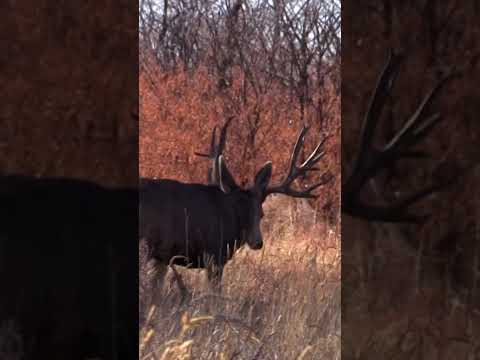
SCRAPE IN PROGRESS #deerhunting

Published on August 19, 2024
Duration: 0:37

This video from Mossberg showcases critical whitetail deer rut behaviors, specifically focusing on bucks establishing territory. It details the process of a buck interacting with a licking branch and then creating a ground scrape, essential actions for deer communication during the breeding season. The content highlights expert wildlife cinematography from a leading hunting brand.

Quick Summary

Whitetail bucks use licking branches and ground scrapes as key communication tools during the rut. A buck rubs its antlers and facial glands on a licking branch, then paws the ground beneath it to create a scrape, leaving scent for territorial marking and signaling to other deer.

Chapters

  1. 00:00Buck Interacting with Licking Branch
  2. 00:16Creating a Ground Scrape

Frequently Asked Questions

What is a licking branch in deer hunting?

A licking branch is a low-hanging branch that a whitetail buck rubs its antlers and facial scent glands on. This behavior is part of a territorial marking strategy, often paired with a ground scrape below, to communicate with other deer.

How do deer create a ground scrape?

A buck creates a ground scrape by using its front hooves to clear away leaves and debris from a patch of soil. This exposed earth, often located beneath a licking branch, serves as a scent-marking post during the deer rut.

What is the purpose of a buck rubbing its antlers on a branch?

Rubbing antlers on a branch, known as a lick branch, allows the buck to deposit scent from its forehead and facial glands. This action, along with scraping the ground, is a key method for bucks to establish territory and communicate readiness during the mating season.

More Hunting & Outdoors Videos You Might Like

More from MOSSBERG

View all →