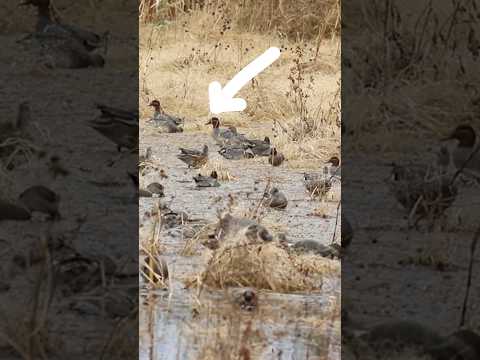
The BIG Discussion About Decoys | Duck Hunting.

Published on December 20, 2024
Duration: 4:34

This guide, drawing on decades of experience from a Mossberg Pro-Staff member, details effective strategies for setting up duck decoys. It emphasizes the importance of natural movement through varied rigging and the use of mixed species ('confidence ducks') to enhance realism. The advice also covers strategic placement in relation to water currents, crucial for successful waterfowl hunting.

Quick Summary

Enhance your duck decoy spread by varying rigging points on Texas Rigs for natural movement and incorporating 'confidence ducks' like Shovelers and Pintails for added realism and visibility. Place decoys in slack water or current breaks, mimicking natural duck behavior for more effective waterfowl hunting.

Chapters

  1. 00:00Hunting Philosophy
  2. 00:58Decoy Rigging Strategy
  3. 02:18Confidence Ducks and Color
  4. 03:18Hunting in Current
  5. 04:11Community Engagement

Frequently Asked Questions

How can I make my duck decoy spread look more natural?

To make your spread look natural, vary how you attach decoy rigs like the Texas Rig, ensuring decoys don't all face the same way in the wind. Incorporating 'confidence ducks' such as Shovelers and Pintails adds realism and color, making the spread more visible and appealing to incoming birds.

Where is the best place to put decoys in moving water?

Ducks naturally seek out slack water or breaks in the current. Position your decoys in these calmer areas or behind natural cover like rice or brush, rather than directly in heavy, fast-moving water, to mimic their preferred resting spots.

What are 'confidence ducks' in waterfowl hunting?

'Confidence ducks' are decoy species like Shovelers and Pintails that add color and realism to a spread, often increasing the confidence of working ducks. They are particularly effective when mixed with more common decoys like Mallards, enhancing overall visibility and appeal.

Why is varying decoy rigging important?

Varying decoy rigging, such as using different attachment points on Texas Rigs, is crucial because it ensures decoys don't all point in the same direction when affected by wind. This creates a more natural, dynamic spread that appears more realistic to overhead ducks.

More Hunting & Outdoors Videos You Might Like

More from MOSSBERG

View all →