Classic: '94 US/Canada Biathlon, Natl Field Archery | Shooting Sports America by Chevy Trucks

Published on March 10, 2021
Duration: 23:43

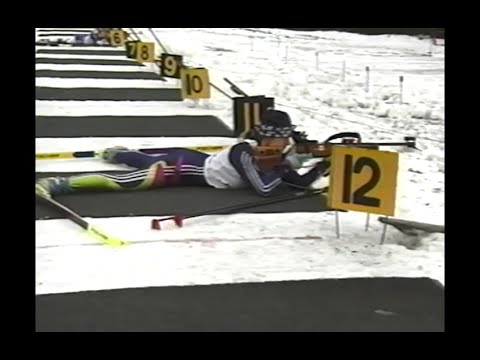
This video covers the 1994 US Biathlon Association Fall Festival, a roller ski biathlon competition held at the Ethan Allen Firing Range in Jericho, Vermont. It highlights the demanding nature of the sport, where athletes transition from high-intensity skiing to precise shooting at small targets. The sprint format involves a 7.5 km course with prone and standing shooting stages, emphasizing the critical need for athletes to manage their heart rates and maintain composure under physical duress. The competition featured both US and Canadian Olympic biathletes, showcasing the skills required for both speed and accuracy.

Quick Summary

Biathlon combines high-intensity roller skiing with precise marksmanship, demanding athletes manage heart rates up to 180 bpm to hit small targets 50 meters away. Roller skis simulate snow skiing for year-round training, while penalties for missed targets add time. The sport requires exceptional physical endurance and mental control.

Chapters

  1. 00:06Introduction to Chevy Trucks Shooting Sports America
  2. 00:30The Demands of Biathlon
  3. 01:12Host Tom Gretchen and Lyle Nelson
  4. 01:20Location: Ethan Allen Firing Range, Vermont
  5. 01:241994 US Biathlon Association Fall Festival
  6. 02:23Sprint Biathlon Format Explained
  7. 02:47Roller Skiing vs. Cross-Country Skiing
  8. 03:17Competition Day 2: Starting Order
  9. 03:36Competitor Spotlight: Stacey Wooley
  10. 03:48Competitor Spotlight: Chris Fallinen
  11. 03:59Men's and Women's Events
  12. 04:21Stacey Wooley at the Range
  13. 04:26Challenges of Shooting After Skiing
  14. 05:01Shooting Targets and Penalties
  15. 05:17Shooting Strategy
  16. 05:26Chris Fallinen Overtakes
  17. 05:37Skiing Speeds and Techniques
  18. 06:00Breathing and Heart Rate Control
  19. 06:15Stacey Wooley's Standing Stage
  20. 06:42Shooting Difficulties
  21. 06:48Wooley Takes the Lead
  22. 06:52Chris Fallinen in Second Place
  23. 06:58Frustration of the Final Target
  24. 07:04Mental Transformation
  25. 07:13Bright Spot: U.S. Women's Team
  26. 07:25Stacey Wooley Dominates
  27. 07:37Competitive Spirit
  28. 07:40Chris Fallinen's Strong Race
  29. 07:47Third Place: Cara Sumalia
  30. 07:54Impact of Competitors' Arrival
  31. 08:00Karis Sumila's Perspective
  32. 08:26Women's 7.5k Final Standings
  33. 08:46Men's 7.5k Race Preview
  34. 08:53First Starter: Curtis Schreiner
  35. 09:04Competitor: Rick Oliver
  36. 09:07Competitor: Steve Sire (Canada)
  37. 09:13Men's Speed and Course Difficulty
  38. 09:35Biathlon Rifle Technology
  39. 09:51Shooting's Impact on Time
  40. 09:56Mental Pace for Shooting
  41. 10:10The Race for the Finish
  42. 10:15Curtis Schreiner Maintains Lead
  43. 10:20Importance of First Shots
  44. 10:33World-Class Athletes: Physical and Mental
  45. 10:44Mental Control at the Range
  46. 10:55Curtis Schreiner's Effort
  47. 11:02Steve Sire's Composure
  48. 11:15Rick Oliver's Performance
  49. 11:20Tied Race and Rifle Jam
  50. 11:22Curtis Schreiner's Rifle Jam
  51. 11:30Potential for Rick Oliver to Catch Up
  52. 11:39Steve Sire's Final Shots
  53. 11:46High Speeds on the Course
  54. 11:50Curtis Schreiner Maintains Lead
  55. 12:02Men's 7.5k Winner: Curtis Schreiner
  56. 12:10Rick Oliver in Second Place
  57. 12:16A Close Finish
  58. 12:25Curtis Schreiner on Pressure
  59. 12:31Awareness of Competitors
  60. 12:36Strategy After Missing Shots
  61. 12:52Men's 7.5k Final Standings
  62. 13:01Next Up: National Field Archery Championships
  63. 13:09Shooting Tip from Grits Gresham
  64. 13:14Trap Shooting Focus
  65. 13:48Lowering Focus for Target Acquisition
  66. 14:06Tip Recap: Adjust Your Gaze
  67. 14:23Field Archery Disciplines
  68. 14:48Location: Superstition Mountains, Arizona
  69. 14:531994 U.S. National Field Archery Championship
  70. 15:02U.S. National Field Team Selection
  71. 15:13Challenges of Field Archery
  72. 15:27Interview with Tim Strickland
  73. 15:32Variety of Field Archery Challenges
  74. 16:00Marked vs. Unmarked Rounds
  75. 16:24Field Archery vs. Olympic Style
  76. 16:34Types of Bows Used
  77. 16:43Recurve Bow Explained
  78. 17:01Compound Bow Explained
  79. 17:21Compound Bow Advantages
  80. 17:34Recurve vs. Compound: Challenge
  81. 17:38Recurve Division Competitors
  82. 18:00Thinking Through Field Archery
  83. 18:17Skills of a Good Field Archer
  84. 18:32Men's Olympic Bow Division
  85. 18:38Jay Barrs Wins Championship
  86. 18:47Rick McKinney Second Place
  87. 18:50Butch Johnson Third Place
  88. 18:55Women's Division Competitors
  89. 19:32Women's Compound Bow Division Finals
  90. 19:42Irony of Michelle Ragsdale's Experience
  91. 19:58Pressure in Competition
  92. 20:04Keeping Your Head Together
  93. 20:28Inga Misjudges Target
  94. 20:48Battle Between Nancy Zorn and Teresa Fazio
  95. 21:01Inga Shoots Strong
  96. 21:04Michelle Ragsdale Shoots
  97. 21:15Teresa Fazio's Shots
  98. 21:36Crosswind Considerations
  99. 21:44Tough Battle for Team Selection
  100. 22:05Experience Counts
  101. 22:27Team Selection: Inga and Michelle
  102. 22:31Michelle Ragsdale Finishes First
  103. 22:35Women's Compound Final Scores
  104. 22:42Weather's Impact on Competition
  105. 22:54Confidence in American Shooters
  106. 23:01Looking Forward to the Olympics
  107. 23:14Closing Remarks
  108. 23:21Chevy Trucks Shooting Sports America Sponsors

Frequently Asked Questions

What are the key challenges in biathlon?

Biathlon presents extreme challenges by demanding athletes transition rapidly from high-intensity skiing, with heart rates up to 180 bpm, to precise marksmanship at small targets. Managing physical exertion, controlling erratic breathing, and maintaining mental composure are critical for success.

How do roller skis prepare athletes for biathlon?

Roller skis are an effective training tool for biathlon because they replicate the technique, physical demands, and glide speed of snow skiing. This allows athletes to maintain their conditioning and refine their skills year-round, simulating the cross-country skiing component of the sport.

What is the penalty for missing targets in biathlon?

In biathlon, if an athlete fails to hit all five targets with their initial shots, they must hand-load an additional round for each missed target. This process adds approximately 10 seconds per penalty, significantly impacting their overall race time.

What makes field archery different from Olympic-style archery?

Field archery is more demanding than Olympic-style archery because targets are set in natural surroundings at varying distances (10-60 meters) and often present unique terrain challenges like uphill or downhill shots. It also includes unmarked distance rounds where archers must accurately judge distances, unlike the known distances in Olympic archery.

More Range & Competition Videos You Might Like

More from Gun Talk Media

View all →