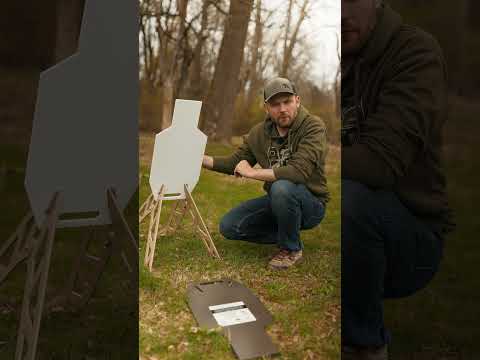
Is it **IMPOSSIBLE** to destroy a shooting range??

Published on November 2, 2022
Duration: 0:59

This guide details the setup and initial testing of a private outdoor shooting range, emphasizing sound mitigation and backstop construction. It covers the use of durable AR500 steel targets from ShootSteel.com and initial live-fire testing with a Springfield Hellcat Pro. The content is presented by a Firearms Content Creator with expertise in range safety and steel target grades.

Quick Summary

AR500 steel targets are highly durable due to their specialized alloy composition, rated at approximately 500 BHN, making them resistant to repeated bullet impacts. For range construction, side berms aid sound mitigation, while a tall backstop of compacted earth and railroad ties ensures projectile containment. The Springfield Hellcat Pro was used for initial live-fire testing.

Chapters

  1. 00:00Range Construction & Sound Mitigation
  2. 00:22AR500 Steel Target Unboxing
  3. 00:37Live Fire Testing with Springfield Hellcat Pro

Frequently Asked Questions

What makes AR500 steel targets suitable for shooting ranges?

AR500 steel is a specialized alloy with a hardness rating of approximately 500 BHN. This makes it exceptionally durable and resistant to repeated bullet impacts, ensuring longevity and safety for shooting range applications when used within their rated specifications.

How can sound be mitigated at a private outdoor shooting range?

Effective sound mitigation at a private outdoor range can be achieved through the strategic construction of side berms. These earthen barriers help to absorb and deflect sound waves, reducing noise pollution for surrounding areas.

What firearm was used for the initial live-fire test at the range?

The initial live-fire test at the newly constructed private outdoor range utilized a Springfield Hellcat Pro. This 9mm pistol was used to assess the performance of the setup and the AR500 steel targets.

What are the key components of a safe shooting range backstop?

A safe shooting range backstop should be tall and constructed from dense, impact-absorbing materials. Common effective materials include compacted earth and stacked railroad ties, designed to reliably stop all projectiles fired downrange.

More Range & Competition Videos You Might Like

More from Civilian Tactical

View all →