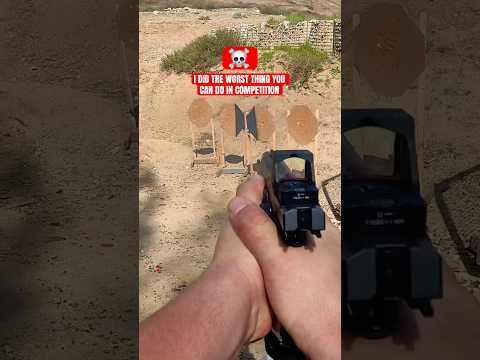
POV Shooting Competition | CZ Shadow 2

Published on October 12, 2025
Duration: 12:46

This video breaks down multiple stages of a PCSL competition shoot using a CZ Shadow 2 Orange. Marco, a competitive shooter, provides insights into stage strategy, target engagement, managing the double-action/single-action trigger, and the importance of accuracy versus speed based on stage length. He highlights common mistakes like over-swinging and stepping on fault lines, offering advice for both new and experienced competitors.


Quick Summary

In PCSL competition, the CZ Shadow 2 is a highly regarded firearm for Carry Optics due to its weight and performance, though its DA/SA trigger requires adaptation. Stages are strategized based on length: longer stages prioritize accuracy (Alphas) for a high hit factor, while shorter stages emphasize speed. Steel targets must fall to be scored, and fault line violations incur penalties.

Frequently Asked Questions

What are the key differences when shooting a CZ Shadow 2 compared to a Glock in competition?

The CZ Shadow 2 has a heavier metal frame and a double-action first trigger pull, requiring more practice for smooth transitions. Glocks are lighter with simpler striker-fired triggers. The Shadow 2's weight is often preferred for recoil management in divisions like Carry Optics.

How does magazine capacity affect PCSL competition stages?

PCSL rules typically allow 20 rounds plus one. The CZ Shadow 2's factory magazines hold 18 plus one, which can be a slight disadvantage. Competitors may use extended base pads to reach the maximum capacity, but it doesn't always significantly impact performance.

What is the strategy for long versus short stages in shooting competitions?

For long stages (over 25 seconds), the priority is accuracy to achieve a high hit factor. For short stages (under 10 seconds), speed is paramount. This means focusing on precise shots on long stages and rapid engagement on short ones.

What does it mean for a steel target to be 'scored' in competition?

For a steel target to be scored in competition, it must fall after being hit. If a steel target is struck but remains standing, it typically does not count towards your score, even if you've moved on to the next target.

Related News

All News →

More Range & Competition Videos You Might Like

More from Roger Barrera (QVO Tactical)

View all →