QP Pigg River Match Pt. 2

Published on September 24, 2023
Duration: 54:40

This video provides a detailed after-action review of Day 2 of the Pigg River Match, focusing on stage breakdowns, shooter performance, and lessons learned. The speakers discuss various shooting positions, optic usage, ammunition choices, and the importance of stage planning and mental preparation in competitive long-range shooting. They highlight common challenges like wind, target acquisition, and equipment setup, offering insights into how to overcome them and improve performance in future matches.

Quick Summary

Key lessons from the Pigg River Match Day 2 include combating complacency, optimizing rifle setup with gear like 'cheater bags', adjusting optic illumination for visibility, and the strategic advantage of 'gaming' stages through pre-dialing or holdovers. Mental resilience and learning from spotting other shooters are also crucial for improvement in long-range competitions.

Chapters

  1. 00:14Introduction & Match Review
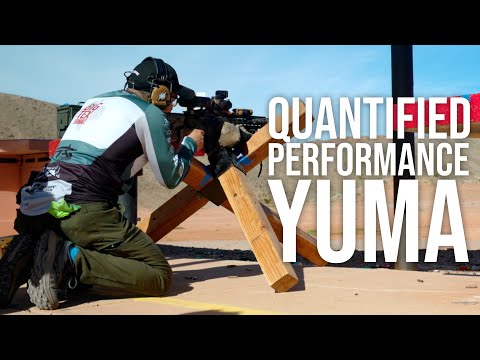
  2. 00:46Day 2: Quantified Performance
  3. 01:02After Action Report (AAR)
  4. 02:12Stage 1: Metal Militia
  5. 03:00Rifle Setup: Bang Bag & Bipod
  6. 03:25Optic Illumination & Contrast
  7. 04:12Lessons Learned: Fundamentals & Complacency
  8. 05:23Stage 2: Conex Top
  9. 05:54Ammunition Choice: 55gr vs 69gr
  10. 06:31Stage 2: Unsupported & Prone Shooting
  11. 08:47Gaming the Stage: Pre-dialing & Holdovers
  12. 09:45Stage 3: Performance Analysis
  13. 10:24Stage 3: Catastrophic Ammo Issue
  14. 12:38Spotting & Learning from Others
  15. 13:02Stealing Stage Plans
  16. 14:15Stage 4: Shoot to Thrill
  17. 14:47Scope Rifle Course Design
  18. 15:16Competition Rifles: 5.56 vs Others
  19. 16:135.56 Capability at Range
  20. 17:06Stage 4: Target Acquisition Challenges
  21. 18:59Importance of Spotting
  22. 19:31Parallax Adjustment
  23. 19:54Practice Drills for Barricades
  24. 20:17Wind Conditions & Dope
  25. 20:47Stage 5: Maverick (Barrel & Tire)
  26. 21:13Barricade Shooting Challenges
  27. 22:23Wind Misconceptions
  28. 22:56Tire Shooting Stability
  29. 23:30Resilience Mid-Stage
  30. 24:09Post-Shot Process Application
  31. 25:21Stage 6: Jeepers Creepers
  32. 25:42Jeep Shooting Setup
  33. 26:40Ammo Switch & Wind Effects
  34. 27:05Budget Rifle Performance
  35. 27:32Advantages of Spotting & Rotation
  36. 28:06Stage 7: Pancakes (Rocks)
  37. 28:33Rock Shooting Stability Issues
  38. 29:10Magazine Length Considerations
  39. 29:43Shooting Wrong Target
  40. 31:00Stage Flag Identification
  41. 32:0155gr Ammo in Wind
  42. 33:00Stage 8: Bunker
  43. 33:36Dialing vs. Holding
  44. 34:41Stage 8 Performance
  45. 35:00Stage Rehearsal Importance
  46. 35:36Negative Self-Talk
  47. 36:33Post-Match Emotions & Excitement
  48. 37:04First LR Match Experience
  49. 37:34Equipment Reliability
  50. 38:20Presser Bag Recommendation
  51. 38:27Top-Mounted Red Dot Usage
  52. 39:41Consistency in Performance
  53. 40:04Training Plan Development
  54. 40:41Competition vs. Course Benefits
  55. 41:08Value of Scope Rifle Courses
  56. 41:37Year of Training Progress
  57. 42:13Budget Rifle Build
  58. 43:03Match & Course Recommendations
  59. 45:11Bubble Level Placement
  60. 46:20PPUKE Acronym (Power, Parallax, Elevation, Windage, Cant)
  61. 47:45Passion for Long Range Shooting
  62. 48:01Quantified Performance as Validation
  63. 49:04Competitors & Instructors
  64. 50:51Final Notes & Social Media
  65. 51:37Sponsor Shoutouts
  66. 52:12Mental Health in Firearms Community
  67. 53:09Ammunition & Optic Sponsors
  68. 53:56Outro

Frequently Asked Questions

What are key lessons learned from the Pigg River Match Day 2?

Key lessons include combating complacency, optimizing rifle setup with gear like 'cheater bags', adjusting optic illumination for visibility, and the strategic advantage of 'gaming' stages through pre-dialing or holdovers. Mental resilience and learning from spotting other shooters are also crucial for improvement.

How can shooters improve their performance in long-range competitions?

Improvement comes from practicing fundamentals, developing stage plans, understanding ammunition performance at range, and mastering wind reading. Applying the post-shot process mid-stage and learning from mistakes, like magazine length issues on barricades, are vital for consistent success.

What are the benefits of attending a scope rifle course before a competition?

A scope rifle course provides foundational knowledge and definitions for competitive shooting environments like Quantified Performance. This equips shooters to better understand and analyze their performance, identify what's working, and retain valuable lessons learned during matches.

How does wind affect long-range shooting, and what strategies can be used?

Wind significantly impacts bullet trajectory at long ranges. Shooters must develop accurate wind calls, use their dope card or dialed settings, and observe splash to make corrections. Understanding how wind affects different bullet weights (e.g., 55gr vs. 69gr) is also important.

More Range & Competition Videos You Might Like

More from Weapon Snatcher

View all →