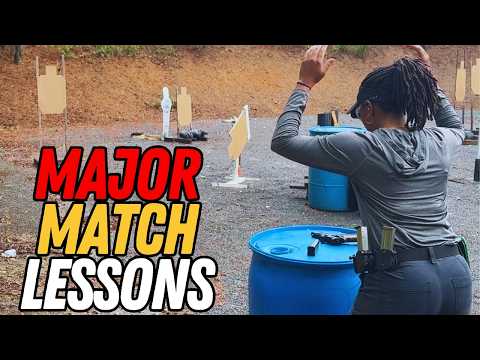
This video documents the 2026 Arkansas State IDPA Championship, highlighting the shooter's experiences, mistakes, and lessons learned throughout the match. The shooter, using a MAC 9 DS, discusses challenges with grip, safety engagement, round count, and the impact of weather conditions like rain. Key takeaways include the importance of pre-stage planning, consistent grip, proper safety management, and adapting to environmental factors in competitive shooting.
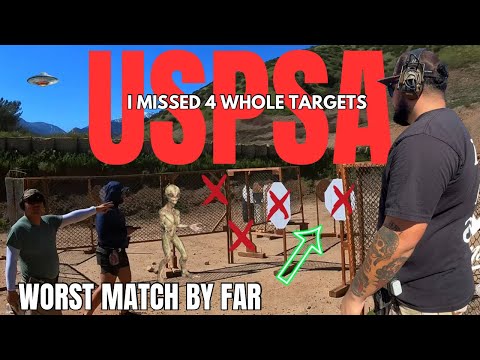
This video documents a USPSA competition focusing on the Limited Optics division with a CZ Shadow 2. The shooter aims to improve their skills and progress towards an 'A Class' classification. Key takeaways include the importance of efficient stage planning, maintaining a low athletic stance, improving footwork and transitions between shooting positions, and practicing quick reloads. The shooter also highlights common mistakes like foot faults and standing too upright, emphasizing the need for consistent training to build speed and accuracy.
This video provides guidance on how to approach and train with partial targets in shooting competitions. The instructor emphasizes that there's no single absolute strategy, and decisions should depend on factors like distance, hit factor, and shooter proficiency. The advice focuses on developing intuition through practice, prioritizing penalty avoidance, and understanding that 'wasted time' might be necessary for accuracy on difficult shots.
This video documents a USPSA shooter's experience at a match, focusing on mental approach and technical adjustments. Key takeaways include adopting a positive 'what to do' mindset, improving trigger splits, lowering the center of gravity for better movement, and maintaining momentum. The shooter also discusses strategies for engaging steel targets and efficient movement between shooting positions, aiming for consistency at a higher skill level.
This video documents the seventh USPSA competition for a shooter aiming for 'A' class or above within 12 months. The shooter focuses on improving transition speed, footwork, and split times, drawing on feedback from previous competitions. Key takeaways include the importance of stage planning, efficient holster draws (adopting the 'scoop' method), and managing firearm safeties. The shooter also discusses specific firearm preferences and challenges with the CZ Shadow 2, particularly its safety placement and magazine design.
This video provides a comprehensive overview of the PCSL Two Gun Nationals 2025, detailing the match's rules, divisions (Practical and Competition), and target scoring. It offers insights into stage strategies, gear choices, and preparation methods, including specific advice on long-range shooting and mental game management. The hosts share their experiences, highlighting both successes and challenges, and offer a positive review of the event.
This guide, presented by an experienced competitor, details how to break down a USPSA stage. It emphasizes understanding the stage brief, planning an efficient path, engaging targets strategically, and utilizing gear effectively. The instruction highlights the importance of a well-executed plan over a complex one, offering insights into target acquisition and movement.
This video documents a USPSA match, focusing on the shooter's performance and areas for improvement. Key takeaways include the importance of fluid movements, avoiding overconfirmation on targets, and strategic reloading. The shooter also discusses a target engagement method called 'point, blend, sights' and the impact of dry fire practice on performance. While acknowledging a failed Grandmaster run and a D-class score due to a malfunction, the shooter highlights progress in transitions, movement, and stage planning, aiming for continuous improvement.
This video documents a shooter's 6th USPSA match, specifically focusing on a Carry Optics stage using a CZ Shadow 2. The shooter reviews their performance, seeking feedback on areas for improvement after completing the stage in 2 minutes and 22 seconds. The visual evidence highlights the stage setup with various targets and barricades, along with spent casings and debris, indicating the dynamic nature of the competition.
This video documents the speaker's 6th USPSA competition, focusing on their journey towards A Class within 12 months. The speaker breaks down each stage, offering self-critiques and actionable insights on improving stage planning, transition speed, holster draw, and target engagement. They emphasize the importance of consistent practice, seeking instruction, and analyzing performance through video review to achieve their competitive goals.
This video follows a shooter's first USPSA match of 2026, offering insights into the differences between USPSA and IDPA. The shooter, relatively new to USPSA with only three matches under their belt, discusses concepts like hit factor, stage planning, and dealing with common issues like dropped magazines and equipment malfunctions. The content provides a beginner's perspective on navigating a competitive shooting event, highlighting areas for improvement and learning.
Christian Sailer, an expert with significant experience in law enforcement and military training, emphasizes focusing on fundamental shooting skills over complex hit factor math for most practitioners. He advocates for mastering sight picture, transitions, and consistent accuracy before delving into advanced scoring strategies. Sailer's approach prioritizes positive reinforcement and practical application, aiming to genuinely improve shooter performance.
Gun Laws by State
Read firearms regulations for all 50 states + D.C.
Find Gun Dealers
Search licensed FFL dealers near you.