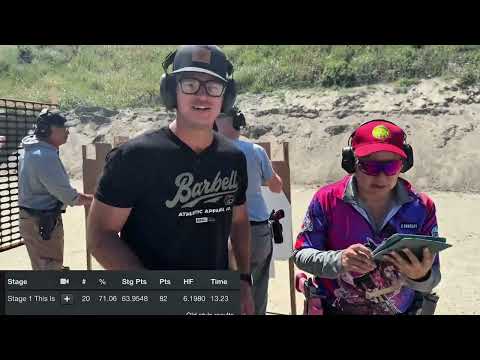
SIG P211 GTO Took Me to the Top 10!

Published on March 2, 2026
Duration: 17:38

This video follows a shooter participating in a competition, highlighting safe handling procedures in the safe area, including dry-fire practice without ammunition. The shooter discusses their experience with the Sig P211 GTO, noting performance during various stages, including issues like trigger freeze and accidental safety actuation. The content emphasizes shot placement, time management during stages, and the impact of environmental factors like wind on shooting.


Quick Summary

In shooting competitions, the safe area requires firearms to be unloaded and handled without ammunition for dry-fire practice. Issues like 'trigger freeze' and accidental safety actuation can impact performance. Wind necessitates aim adjustments, and accepting penalties rather than wasting time making up shots is a key strategy for optimizing stage time.

Chapters

  1. 00:00Introduction & Safe Area Procedures
  2. 01:09Sig P211 GTO Evaluation
  3. 03:41Stage 1 Performance
  4. 05:32Stage 2 & Trigger Freeze
  5. 07:41Stage 3 & Accidental Safety Actuation
  6. 10:23Stage 4 & Shot Placement Strategy
  7. 13:14Stage 5 & Wasting Time Making Up Shots
  8. 15:44Stage 6 & Final Thoughts
  9. 16:10Sig P211 GTO Review & Purchase Decision
  10. 16:40Post-Match Reflections & Health Update

Frequently Asked Questions

What are the safety rules for a shooting range's safe area?

In a shooting range's safe area, firearms must be unloaded and handled without ammunition. This zone is for dry-fire practice, checking equipment, or ensuring the firearm is clear. Never bring live ammunition into the safe area to maintain safety protocols.

What is a 'trigger freeze' in shooting competitions?

A 'trigger freeze' occurs when the firearm's trigger mechanism fails to reset properly after a shot. This can prevent the shooter from firing subsequent rounds, leading to missed targets or significant delays during a competition stage.

How does wind affect shooting in outdoor competitions?

Wind can significantly alter a projectile's trajectory, especially at longer distances. Shooters must account for wind by adjusting their aim and sight picture to compensate for its effect, ensuring shots land on target.

What is the strategy for dealing with penalties in shooting stages?

Instead of wasting time trying to 'make up' shots on a penalized target, it's often more strategic to accept the penalty and move on to the next target. This approach optimizes overall stage time and can lead to better final scores.

Related News

All News →

More Range & Competition Videos You Might Like

More from Summer Shoots

View all →