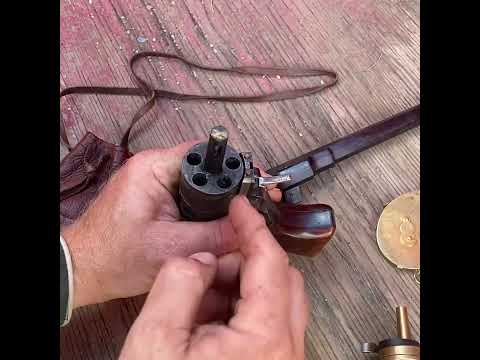
WW1 Armistice Centennial Match - Stage 3 - Influenza!

Published on November 22, 2018
Duration: 14:31

This stage from the WW1 Armistice Centennial Match simulates a close-quarters combat scenario during the Spanish Flu pandemic. Competitors start prone, retrieve a handgun to engage paper targets, then transition to a rifle or light machine gun to engage further paper and steel targets. The stage emphasizes rapid target acquisition and transitions between different firearm platforms under simulated duress.

Quick Summary

The 'Influenza' stage from the WW1 Armistice Centennial Match simulates a chaotic WWI combat scenario, incorporating the impact of the Spanish Flu. Competitors start prone, retrieve a handgun, and transition to a rifle or light machine gun to engage multiple targets, emphasizing dynamic action and historical context.

Chapters

  1. 00:04Introduction to Stage 3
  2. 00:31Stage Theme: Influenza and WWI Context
  3. 01:48Stage 3 Scenario Breakdown
  4. 03:07Competitor Run: Stage 3
  5. 06:21Post-Stage Debrief: Influenza!
  6. 06:46Stage Performance Analysis
  7. 07:21Handgun Engagement Tactics
  8. 08:09Rifle/LMG Engagement and Transitions
  9. 10:21Handgun vs. Rifle in WWI Combat
  10. 11:15C96 Broomhandle and WWI Firearms
  11. 12:02Match Recap and Historical Significance
  12. 13:38Support InRangeTV

Frequently Asked Questions

What is the 'Influenza' stage in the WW1 Armistice Centennial Match?

The 'Influenza' stage simulates a chaotic combat scenario from late 1918, incorporating the impact of the Spanish Flu. Competitors start prone, retrieve a handgun, and then transition to a rifle or light machine gun to engage multiple targets, emphasizing dynamic action and historical context.

What firearms are used in the WW1 Armistice Centennial Match Stage 3?

Stage 3, 'Influenza!', involves the use of both a handgun, which is found on the ground, and a rifle or light machine gun for engaging various paper and steel targets. This simulates the need for different weapon systems in a WWI combat scenario.

Why were semi-automatic firearms preferred over bolt-action rifles in WWI close combat?

In WWI trench warfare and confined spaces, semi-automatic firearms offered a significant advantage in fire superiority due to their higher rate of fire compared to manual action bolt-action rifles, making them more effective for close-quarters engagements.

What historical context does the WW1 Armistice Centennial Match Stage 3 provide?

The 'Influenza' stage highlights the dual impact of combat and the Spanish Flu pandemic in late 1918. It serves as a reminder of the immense human cost of WWI and its global ramifications, commemorated 100 years after the armistice.

More Range & Competition Videos You Might Like

More from InRangeTV

View all →