FBI Model 13 .357 Magnum

Published on May 26, 2022
Duration: 26:25

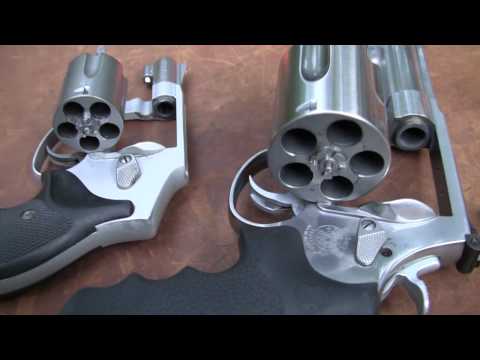
This review covers the Smith & Wesson Model 13, a 3-inch K-frame revolver famously used by the FBI from the early 1980s to the 1990s. Hickok45 details its physical features, compares it to the stainless Model 65, and demonstrates its performance with .357 Magnum rounds. The discussion touches on historical law enforcement use, the 'FBI load' ammunition, and the importance of double-action practice.

Quick Summary

The Smith & Wesson Model 13, a 3-inch K-frame revolver, was a standard FBI sidearm from the early 1980s to the 1990s. It's the blued steel version of the Model 65, featuring fixed sights and a 6-round capacity, capable of firing both .38 Special and .357 Magnum rounds.

Chapters

  1. 00:00Intro: S&W Model 13 FBI Revolver
  2. 01:41Physical Features & Model 65 Comparison
  3. 03:13Shooting Demo: .357 Magnum Performance
  4. 04:01Capacity & Law Enforcement History
  5. 06:15The 'FBI Load' Ammunition Explained
  6. 08:46Historical Adoption & Agency Crossover
  7. 10:11Double Action Practice & Final Thoughts

Frequently Asked Questions

What was the Smith & Wesson Model 13's role in law enforcement?

The Smith & Wesson Model 13, particularly the 3-inch barrel variant, was a standard-issue sidearm for the FBI from the early 1980s into the 1990s. It represented a common choice for law enforcement during an era dominated by revolvers.

What distinguishes the S&W Model 13 from the Model 65?

The primary difference is material: the Model 13 is typically blued steel, while the Model 65 is its stainless steel counterpart. Both are K-frame revolvers chambered in .357 Magnum/.38 Special and share similar configurations like fixed sights and barrel lengths.

What is the 'FBI load' ammunition?

Historically, the 'FBI load' referred to a 158-grain lead hollow point round in .38 Special caliber. It was designed for effective performance in service revolvers of the era, balancing power with manageable recoil.

Why is double-action practice important for revolvers?

Practicing double-action trigger pulls is crucial for defensive shooting with revolvers. It ensures the shooter can effectively deploy the firearm under stress without needing to manually cock the hammer for each shot.

Related News

All News →

More Reviews Videos You Might Like

More from hickok45

View all →