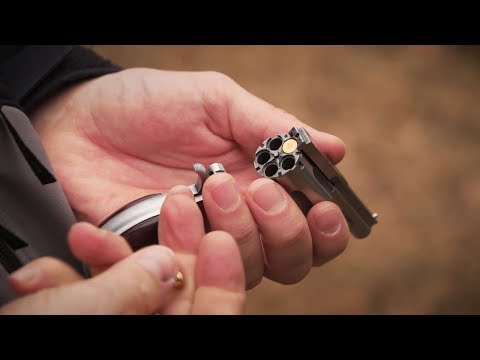
First Looks from CAA USA, Kelbly, and Blackout Defense | Guns & Gear

Published on November 19, 2021
Duration: 12:31

This content focuses on a revolutionary approach to firearm ergonomics, emphasizing how firearms should be designed to fit the shooter, not the other way around. Drawing from military experience, the presenter advocates for natural body positioning and grip techniques that eliminate the need for contortion, leading to improved control and a more intuitive shooting experience. The core principle is to align the firearm with the body's natural lines of force, particularly in the arms and wrists, for a more stable and effective platform.

Quick Summary

Firearms should be designed to fit the shooter naturally, aligning with the body's natural lines of force and movement, inspired by defensive stances. This approach, championed by CAA USA, eliminates the need for contortion, leading to improved control and accuracy by allowing for a straight arm and a natural downward trigger press.

Chapters

  1. 00:00Introduction to NASGW Show & Ergonomic Firearm Design
  2. 00:23CAA USA: Firearm Design for the Shooter
  3. 00:32Israeli Army Experience & Natural Grip
  4. 00:58The Problem with Traditional Firearm Ergonomics
  5. 01:10Natural Hand Position and Trigger Pull
  6. 01:24CAA USA's Innovative Grip Design
  7. 01:41Trigger Mechanism and Hand Placement
  8. 01:55Weight Distribution and Arm Alignment
  9. 02:01Downward Trigger Press Explained
  10. 02:113D Grip and Thumb Placement
  11. 02:27CAA USA's Unique Twist on Firearm Design
  12. 02:35Kelbly: New Bolt Action Receivers
  13. 02:41Kelbly Prometheus Integral Action Design
  14. 02:54Prometheus Action Specs and Features
  15. 03:27Kelbly Nanook Receiver for Lightweight Hunters
  16. 03:36Nanook vs. Prometheus Magazine Compatibility
  17. 03:56Kelbly Nieks Elite Competition Rifle
  18. 04:01Nieks Elite Rifle Weight and Features
  19. 04:16Weight Benefits in Positional Shooting
  20. 04:33Innovation from Kelbly
  21. 04:45Blackout Defense: New Trigger and Receiver Solutions
  22. 04:59Addressing Upper and Lower Receiver Play
  23. 05:02Blackout Defense Linear Compression Pass (LCP)
  24. 05:18LCP Functionality and Benefits
  25. 05:45Blackout Defense Advanced AR Trigger
  26. 05:59Blackout Defense Manufacturing Capabilities
  27. 06:19Building a Rifle Around the Trigger
  28. 06:33Tuning the Blackout Defense Trigger
  29. 06:41Zero Pre- and Post-Travel Trigger
  30. 06:53Drop Safe and Law Enforcement Qualified Trigger
  31. 07:05Trigger Tuning Mechanism Explained
  32. 07:27Conclusion and Where to Find More Information

Frequently Asked Questions

What is the main ergonomic principle behind CAA USA's firearm design?

The core principle is that firearms should be designed to fit the shooter naturally, rather than forcing the shooter to contort their body to fit the firearm. This is achieved by aligning the firearm with the body's natural lines of force and movement, inspired by defensive stances like Krav Maga.

How does Blackout Defense address play between the upper and lower AR-15 receivers?

Blackout Defense uses a Linear Compression Pass (LCP), a unique silicon rubber component, to eliminate rattle and carrier tilt. It pushes the upper receiver towards the datum point, ensuring a snug fit without altering the lower receiver's intended design, and is a replaceable part.

What are the key features of the Kelbly Prometheus and Nanook receivers?

The Prometheus is an integral action rifle receiver made from 416R billet steel with an integral recoil lug and 20 MOA rail. The Nanook is a skeletonized version for lightweight hunters, offering similar functionality but with reduced weight.

What makes the Blackout Defense AR trigger unique?

This trigger features a unique tuning method that eliminates pre- and post-travel, providing a crisp break. It uses two small holes under the trigger housing to adjust the position of the trigger and hammer, ensuring a consistent pull without excessive movement.

More Tactical & Gear Videos You Might Like

More from Gun Talk Media

View all →