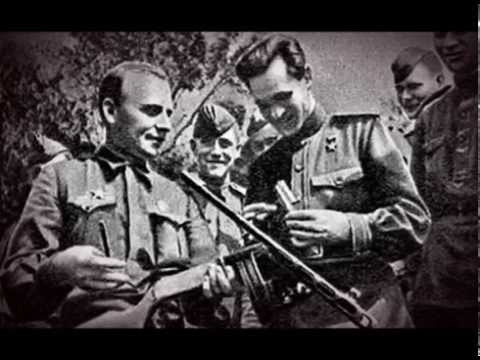
Late-Production Degtyarev PPD 34/38 at the Range

Published on October 22, 2022
Duration: 5:10

This review of the late-production Degtyarev PPD 34/38 submachine gun, presented by firearms expert Ian McCollum, details its historical context during the Winter War and its design evolution. The video covers its operation, including the use of drum and box magazines with necessary adapters, ergonomic challenges, high rate of fire in full-auto, and potential reliability issues like stovepipe malfunctions. McCollum's deep knowledge of Soviet small arms and ability to diagnose issues on the fly highlight the PPD 34/38's place in firearms history.


Quick Summary

The Degtyarev PPD 34/38 is a Soviet submachine gun notable for its role in the Winter War. It features an open-bolt, blowback action with semi-auto and full-auto modes. While it can use drum magazines with an adapter, its ergonomics are awkward, and it's prone to malfunctions like stovepipes, especially with inconsistent ammunition.

Chapters

  1. 00:00Introduction to PPD 34/38
  2. 00:45Magazine Design & Adapter
  3. 01:18Ergonomics & Semi-Auto Fire
  4. 02:10Full-Auto Performance & Recoil
  5. 03:00Handling and Bolt Safety
  6. 04:18Scarcity and Reliability Issues

Frequently Asked Questions

What is the historical significance of the Degtyarev PPD 34/38?

The PPD 34/38 is significant as a Soviet submachine gun developed during the Winter War against Finland. Its production was accelerated due to the military's realization of the critical need for such weapons, leading to a crash program for this model and its successor, the PPD 40.

What are the key operational features of the PPD 34/38?

The PPD 34/38 operates with an open bolt, blowback action and can fire in both semi-automatic and full-automatic modes. It was originally designed for 25-round box magazines but could also utilize a 71-round drum magazine with a specific adapter.

What are common ergonomic challenges with the PPD 34/38?

Users often find the ergonomics awkward, particularly the placement of the magazine release, which can be risky to hold. Gripping the drum magazine is a common practice but can be unstable. Finding a comfortable and secure grip is difficult.

What kind of malfunctions can occur with the PPD 34/38?

A common malfunction observed is the 'stovepipe' failure to eject, where a spent cartridge case becomes lodged vertically in the chamber. This can be influenced by ammunition quality and the firearm's design.

Related News

All News →

More Reviews Videos You Might Like

More from Forgotten Weapons

View all →