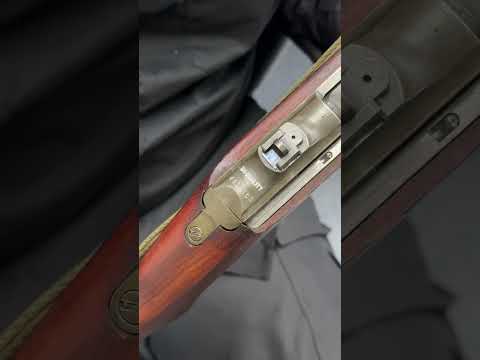
Rare WW2 P.38 Pistols

Published on January 12, 2023
Duration: 18:40

This video showcases a curated selection of rare World War II Walther P.38 pistols from a collection of over 100. The presenter, a firearms collector, highlights specific variants based on manufacturer codes (AC, BYF, CYQ), production years, and unique features like '40 added' markings, mixed proofs in Q blocks, commercial models, dual-tone finishes, and rare police markings. The focus is on identifying collectible and valuable P.38s, detailing their historical context and manufacturing nuances.


Quick Summary

Rare WW2 P.38 pistols are identified by manufacturer codes (AC, BYF, CYQ), production years, unique markings like '40 added', mixed proofs in 'Q' blocks, and matching serial numbers on all components. Variants such as 'zero series', 'commercial' models, and late-war non-Russian marked examples are highly sought after by collectors for their historical significance and manufacturing nuances.

Chapters

  1. 00:00Introduction to Rare P.38 Collection
  2. 00:12Overview of P.38 Collection
  3. 01:58Zero Prefix P.38 (First Year)
  4. 03:04AC 40 Added P.38 Variant
  5. 03:47AC 40 Standard P.38
  6. 05:04AC 40 Rarity and Condition
  7. 05:21BYF-43 Mauser P.38
  8. 05:46BYF-44 Q Block P.38 (Mixed Proofs)
  9. 06:531944 Commercial Walther P.38
  10. 08:14Mauser BYF-44 Police P.38
  11. 09:20Rare Mauser P.38 with FN Slide
  12. 10:59Spreewerk CYQ P.38 (Early)
  13. 12:01Spreewerk CYQ P.38 with Backwards C
  14. 13:15Rare 1945 Zero Prefix P.38 (Vet Bring Back)
  15. 14:211945 Walther AC P.38 (Zero Prefix)
  16. 14:49Standard 1945 Walther P.38s
  17. 15:10Matching 1945 Walther AC P.38 (B Block)
  18. 16:10Matching 1945 Walther AC P.38 (C Block)
  19. 16:471940 Luger (VIP Member Request)
  20. 17:261937 Mauser S42 Luger (Straw Finish)
  21. 18:16Conclusion and VIP Offers

Frequently Asked Questions

What makes a WW2 P.38 pistol rare and valuable to collectors?

Rarity in WW2 P.38 pistols is determined by factors like manufacturer codes (AC, BYF, CYQ), specific production years, unique markings ('40 added', police proofs), matching serial numbers on all parts including the magazine and grips, and original finish. Variants like 'zero series', 'Q' block with mixed proofs, and non-Russian marked late-war models are particularly sought after.

What are the key P.38 variants discussed in the video for collectors?

The video highlights 'zero series' P.38s from the first military contract, 'AC 40 added' and 'AC 40 standard' models, Mauser-made 'BYF-43' and 'BYF-44' with rare police markings, Spreewerk 'CYQ' pistols (including those with backwards 'C' markings), and late-war '1945 AC' models with 'zero prefix' or matching numbers.

What are the distinguishing features of a '40 added' P.38?

The '40 added' marking on an AC-produced P.38 signifies a specific production phase after the initial 'zero series'. This marking was added after the pistol was finished, distinguishing it from standard AC-40s and making it a rarer variant for collectors interested in the evolution of P.38 production.

Why are P.38s with 'Q' block serial numbers significant?

P.38s from the 'Q' block, typically made by Mauser (BYF), are notable for exhibiting mixed proofs. This means they display both standard military proofs (like Eagle 135) and test proofs within a short production period, a manufacturing anomaly that appeals to specialized collectors.

What makes late-war (1945) P.38s desirable?

Late-war 1945 P.38s are desirable when they are not Russian-marked or dipped, suggesting they might be vet bring-backs. Specific variants like the 'zero prefix' and matching numbered 'AC 45' models in the 'B' and 'C' blocks are highly collectible due to their rarity and indication of original factory assembly.

More Reviews Videos You Might Like

More from Legacy Collectibles

View all →