Review: Inland M1 Carbine Reproduction - Part 2

Published on May 12, 2016
Duration: 15:43

This review of the Inland M1 Carbine reproduction, presented by InRangeTV's Ian McCollum and Karl Kasarda, critically assesses its performance and build quality. The hosts, drawing on extensive experience with WWII small arms and competitive shooting, highlight significant manufacturing flaws such as loose rear sights and visible casting seams. Despite testing with various ammunition and magazines, reliability issues persisted. The review concludes with a 'Not Buy' recommendation, suggesting original GI carbines offer better value for the price point.

Quick Summary

The Inland M1 Carbine reproduction is criticized for significant manufacturing flaws like loose rear sights and visible casting seams, alongside persistent reliability issues with various ammunition and magazines. Experts recommend original GI M1 Carbines as a better value, often available for $700-$900, compared to the reproduction's $1000-$1100 MSRP.

Chapters

  1. 00:00Shooting Demonstration
  2. 01:00Historical Context and Intended Use
  3. 03:27Reliability and Match Performance
  4. 04:58Price and Market Value
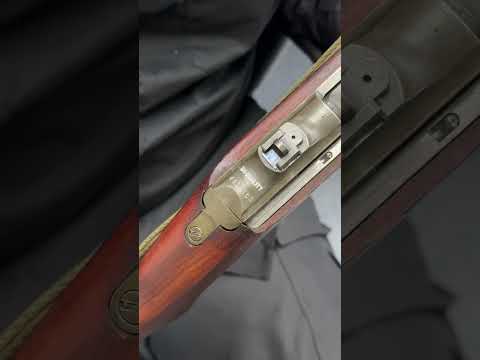
  5. 05:48Quality Control and Manufacturing Flaws
  6. 06:40Ammunition and Magazine Testing
  7. 08:07Aesthetics and Sensory Details
  8. 10:48Final Verdict

Frequently Asked Questions

What are the main criticisms of the Inland M1 Carbine reproduction?

The Inland M1 Carbine reproduction faces criticism for significant manufacturing flaws, including a rear sight that came loose during firing and visible casting seams on components. Reliability issues were also noted across various ammunition and magazine types, detracting from its value at the $1000-$1100 price point.

How does the Inland M1 Carbine reproduction compare to original GI models?

Experts suggest that original GI M1 Carbines, even 'shooter' grade, offer better value for money, often costing $700-$900. They are perceived as more authentic and potentially more reliable than the reproduction, which exhibits a 'new' feel and quality control issues.

What was the intended role of the original M1 Carbine?

The original M1 Carbine was designed as a Personal Defense Weapon (PDW) or 'truck gun' for support personnel like drivers and artillery crews. It was intended to provide better firepower than a pistol while being lighter and more manageable than a full-sized rifle like the M1 Garand.

What ammunition and magazines were tested with the Inland M1 Carbine reproduction?

The Inland M1 Carbine reproduction was tested with various ammunition brands, including Tula, Aguila, and Sellier & Bellot. Both original GI and reproduction magazines were also used during the range testing to assess reliability under different conditions.

More Reviews Videos You Might Like

More from InRangeTV

View all →