Winchester Model 94 .30-30 (Pre 64)

Published on May 9, 2013
Duration: 22:26

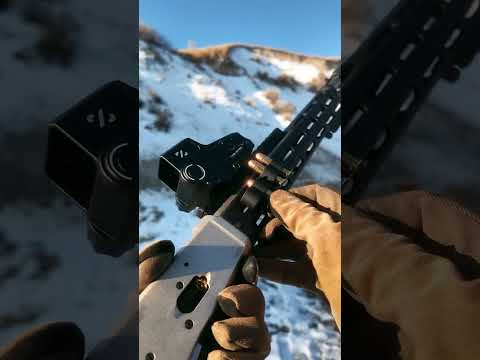
This guide details the operation and safe loading of the iconic Winchester Model 94 rifle, specifically pre-1964 models chambered in .30-30 Winchester. Expert instructor Hickok45 demonstrates the unique lever action, emphasizing the importance of flat-nose bullets for tubular magazines and the historical significance of pre-64 forged steel construction. The video provides practical insights into the rifle's design and its enduring legacy as a hunting firearm.

Quick Summary

The Pre-64 Winchester Model 94 is highly sought after by collectors for its robust construction, featuring forged steel receivers and machined parts. This contrasts with Post-64 models, which used alloys and stamped parts for cost reduction. The .30-30 cartridge, essential for tubular magazines, uses flat-nose bullets to prevent accidental primer ignition under recoil.

Chapters

  1. 00:00Introduction to the Winchester Model 94
  2. 02:11Initial Shooting Demonstration
  3. 03:20Action Design and Production History
  4. 06:51Pre-64 vs. Post-64 Significance
  5. 12:11The .30-30 Cartridge History
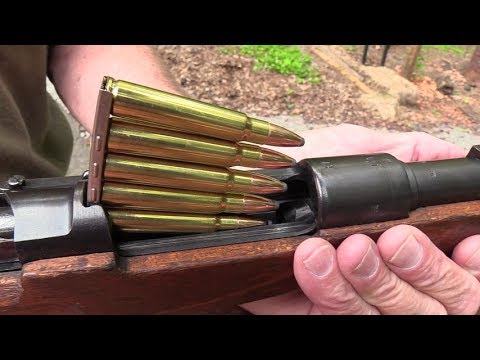
  6. 13:50Tubular Magazines and Bullet Design
  7. 15:54Final Shooting and Conclusion

Frequently Asked Questions

What makes the Pre-64 Winchester Model 94 desirable?

The Pre-64 Winchester Model 94 is highly desirable among collectors due to its construction, featuring forged steel receivers and machined parts, which were replaced with alloys and stamped parts in Post-64 models to reduce manufacturing costs.

Why do .30-30 cartridges use flat-nose bullets?

Flat-nose bullets are used in .30-30 cartridges loaded into tubular magazines to prevent accidental primer ignition. The flat tip ensures it doesn't make direct contact with the primer of the round in front of it, mitigating a safety risk under recoil.

When was the Winchester Model 94 introduced?

The iconic Winchester Model 94 rifle was first introduced in the year 1894. The .30-30 Winchester cartridge, originally known as .30 WCF, followed shortly after in 1895.

What is the significance of the .30-30 cartridge designation?

The '.30-30' designation for the cartridge refers to its caliber (.30 inches) and the approximate amount of smokeless powder it was originally designed to use (30 grains). Winchester initially marketed it as .30 WCF (Winchester Center Fire).

More Reviews Videos You Might Like

More from hickok45

View all →