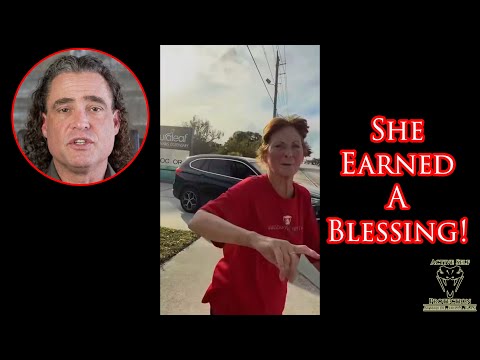
Store Owner Loses Fight with Armed Robber | Active Self Protection

Published on January 3, 2017
Duration: 2:30

This expert guide, drawing from an analysis by John Correia of Active Self Protection, breaks down critical self-defense principles for armed robbery scenarios. It emphasizes the 'Five Ds' of engagement, focusing on deflection and domination of the assailant's weapon, alongside the importance of empty-handed skills and mental preparedness. The analysis highlights tactical considerations in close-quarters struggles and the psychological aspect of facing lethal threats.

Quick Summary

Learn the critical 'Five Ds' of self-defense against armed robbery: Deflect, Dominate, Disarm, Defend, and Die. John Correia of Active Self Protection emphasizes getting the weapon off-target and controlling the assailant's arm, noting that 'short arms' can provide a strength advantage in struggles. Mental preparedness, or 'spiritual fitness,' is also crucial.

Chapters

  1. 00:00Introduction and Overview
  2. 00:33Incident Analysis
  3. 01:15The Five Ds: Deflect and Dominate
  4. 01:53Spiritual Fitness and Conclusion

Frequently Asked Questions

What are the 'Five Ds' of self-defense against armed robbery?

The 'Five Ds' are Deflect (moving the weapon off-target), Dominate (controlling the assailant's weapon arm), Disarm (taking control of the weapon), Defend (using force to protect yourself), and Die (as a last resort if all else fails).

How should one react if an armed robber points a gun directly at them?

According to Active Self Protection, robbers often use this tactic for intimidation. The focus should be on the 'Deflect' and 'Dominate' principles: get the barrel off-target and control the weapon-bearing arm or hand.

What tactical advantage does 'short arms' provide in a struggle?

In a close-quarters struggle, particularly for control of a firearm, individuals with 'short arms' (meaning their arms are held closer to their body) often possess greater leverage and strength, making them harder to overpower.

Why is 'spiritual fitness' important in self-defense?

Spiritual fitness, as discussed by John Correia, refers to mental and emotional preparedness for the extreme stress and potential finality of a life-threatening encounter. It involves accepting the possibility of death and being psychologically ready to act decisively.

Related News

All News →

More Self Defense Videos You Might Like

More from Active Self Protection

View all →